
Erechtites arguta
Erechtites arguta
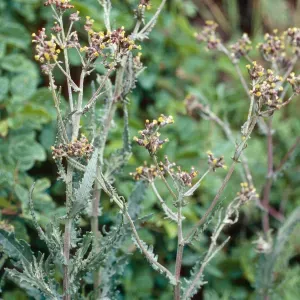
Description
How to tell it apart
Erechtites arguta is an annual herbaceous plant belonging to the Asteraceae family. It features an erect stem that can grow to over one meter in height under favorable conditions.
The leaves are lanceolate or oblong in shape with deeply serrated margins, which is a key identification feature. The surface of the leaves is often pubescent, giving the plant a distinct texture.
The inflorescences consist of small flower heads gathered in loose paniculate structures at the tops of the stems. The flowers are small, tubular, and typically yellowish or whitish in color.
The seeds are equipped with a feathery pappus, allowing for easy dispersal by wind over significant distances, which facilitates the rapid colonization of new areas.
In its juvenile stage, the plant is identified by its serrated leaves and specific growth habit, differentiating it from other common members of the Asteraceae family.
Where it grows
This species typically inhabits disturbed ecosystems, such as abandoned agricultural land, roadsides, forest clearings, and areas recently affected by fire.
It competes successfully in row crop fields, especially when soil management and weed control protocols are not strictly followed by the farmer.
Erechtites arguta prefers moist, nitrogen-rich soils, often forming dense stands that prevent the establishment of other vegetation and crops.
The plant is frequently found in pastures, where it aggressively displaces more desirable forage grasses, reducing the quality of the grazing land.
Its high adaptability to various soil types allows it to rapidly colonize lands after deforestation or during the conversion of virgin soil into cultivated fields.
Harm it causes
The primary damage caused by this weed is its ability to compete intensely for nutrients and soil moisture, which significantly reduces total crop yields.
Due to its rapid growth and high seed production, it can quickly shade out crop seedlings, depriving them of the sunlight necessary for development.
The presence of this weed makes mechanized harvesting difficult, as the large biomass can clog combine harvesters and contaminate the harvested grain.
The plant can act as an alternate host for various pests and pathogens that affect other important vegetable and field crops within the Asteraceae family.
In pastures, it poses a potential hazard to livestock, as some populations may accumulate compounds that cause digestive distress if consumed in large quantities.
How to control
Effective agrotechnical control includes deep plowing, which helps bury seeds at depths where they cannot germinate or survive long-term.
Regular mowing before the flowering stage is critical to prevent the spread of seeds and to reduce the population density in the following growing season.
In cereal crops, the use of soil-applied herbicides provides an effective protective barrier against germinating seeds during the early stages of growth.
Post-emergence applications of systemic herbicides are highly effective when applied during the plant's active growth phase, before bud formation.
- Crop rotation management.
- Use of certified, weed-free seeds.
- Timely inter-row cultivation.
- Regular monitoring of field boundaries.
Taxonomy
- Latin name
- Erechtites arguta
- Family
- Сложноцветные (астровые)
- EPPO code
- EREAR