
Chloracantha spinosa
Chloracantha spinosa
Description
How to tell it apart
Chloracantha spinosa, known as a problematic weed in many agricultural regions, is a perennial herb belonging to the Asteraceae family. It is easily recognized by its distinctively branched stems and sharp, formidable spines located at the nodes.
The leaves of this plant are typically linear or lanceolate, providing a sleek appearance that belies its aggressive nature. The plant reaches heights of up to one meter, using its structure to effectively outcompete surrounding vegetation for essential resources.
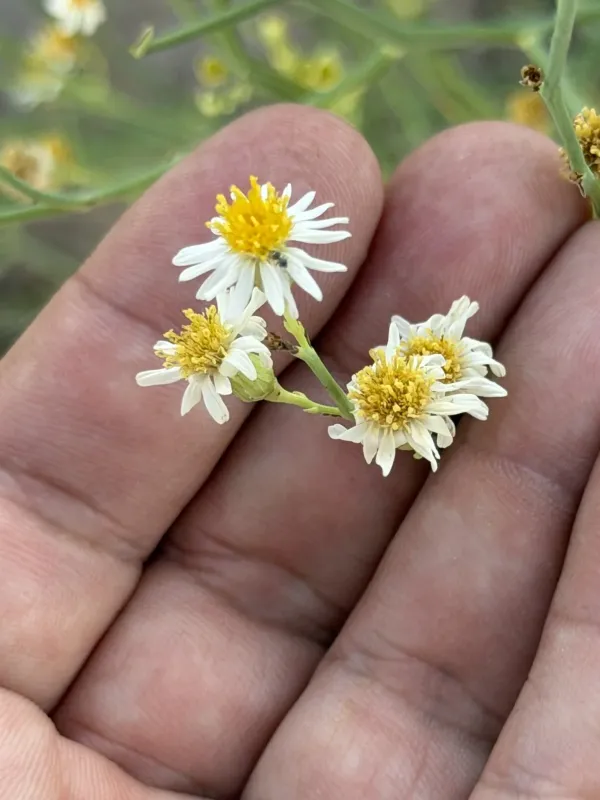
It produces small, composite flower heads characteristic of the sunflower family. These flowers mature into seeds equipped with structures that facilitate wind dispersal, allowing the weed to spread rapidly across large, open fields.
Below the surface, the plant maintains an extensive and deep root system. This allows the weed to access deep moisture and nutrient reserves, making it highly resilient to drought and traditional shallow mechanical disturbances.
The presence of sharp thorns makes physical interaction with the plant difficult for both humans and grazing animals. This biological defense mechanism ensures the plant's survival against common pressures, including foraging and manual removal attempts.
Where it grows
Chloracantha spinosa thrives in humid environments, particularly in areas with fluctuating water tables. It is commonly found along riverbanks, irrigation canals, and in poorly drained parts of arable land.
In the context of crop production, this weed is a significant nuisance in row crops such as soybeans, corn, and sunflowers. It often establishes itself at the periphery of fields, gradually invading the main cultivation area.
The species is remarkably adaptable to saline soil conditions, where it often outcompetes traditional crop varieties. This resilience makes it a persistent challenge in reclaimed agricultural lands and salt-affected regions.
It is also a common inhabitant of disturbed landscapes, such as road verges, ditch edges, and abandoned agricultural facilities. Its ability to colonize such areas creates a constant source of seed pressure for adjacent productive farmland.
The weed's distribution is further aided by human activity, particularly the movement of farm machinery. Soil adhering to equipment can transport vegetative fragments or seeds over long distances, facilitating the infestation of new sites.
Harm it causes
The primary agricultural impact of Chloracantha spinosa is severe yield reduction due to competition. The weed effectively extracts water and nutrients from the soil, depriving the primary crop of the resources needed for optimal growth.
The physical presence of the weed’s thorns causes significant difficulty during field operations. Manual labor, such as weeding or crop scouting, is hindered, and the risk of injury to workers is substantially increased.
At harvest time, contamination of the crop by the thorny stems of the weed leads to increased processing costs. Grains or other harvested products must undergo intensive cleaning to remove foreign material, often resulting in lower market grades.
The plant acts as an alternative host for various crop pests and pathogens. These organisms can survive on the weed during off-seasons and migrate to the primary crop as soon as it emerges, increasing the overall disease pressure.
Furthermore, in irrigation management, the growth of this weed along water channels can significantly restrict water flow. This leads to inefficient irrigation, higher water wastage, and the need for frequent, costly mechanical clearing of the channels.
How to control
Successful management begins with deep tillage practices that expose the root system to drying conditions. Breaking the deep roots during the fallow period is essential to reduce the weed's ability to regenerate in the spring.
Implementing a diverse crop rotation is a highly effective long-term strategy. Rotating with dense, fast-growing crops that provide early canopy closure helps to suppress the germination and early development of Chloracantha spinosa seedlings.
Chemical control is often necessary for significant infestations. The use of systemic herbicides applied during the rosette stage or active growth phase ensures the chemical is translocated down into the roots, maximizing control efficacy.
Integrated weed management should combine chemical and cultural practices. Applying selective herbicides in growing crops while maintaining field hygiene at the borders creates a comprehensive defense against the spread of the weed.
- Periodic mechanical disruption of the soil to deplete root reserves.
- Application of systemic herbicides such as glyphosate or specific hormonal types.
- Use of competitive cover crops to suppress weed establishment.
- Strict equipment cleaning protocols to prevent the spread of vegetative parts.
- Timely mowing of field margins before the weed reaches the seed production stage.
Taxonomy
- Latin name
- Chloracantha spinosa
- Family
- Сложноцветные (астровые)
- EPPO code
- ASTSN