
Spotted knapweed
Centaurea stoebe
Description
How to tell it apart
Spotted knapweed (Centaurea stoebe) is a biennial or short-lived perennial plant belonging to the Asteraceae family. It is characterized by a deep taproot that allows it to thrive in nutrient-poor soils.
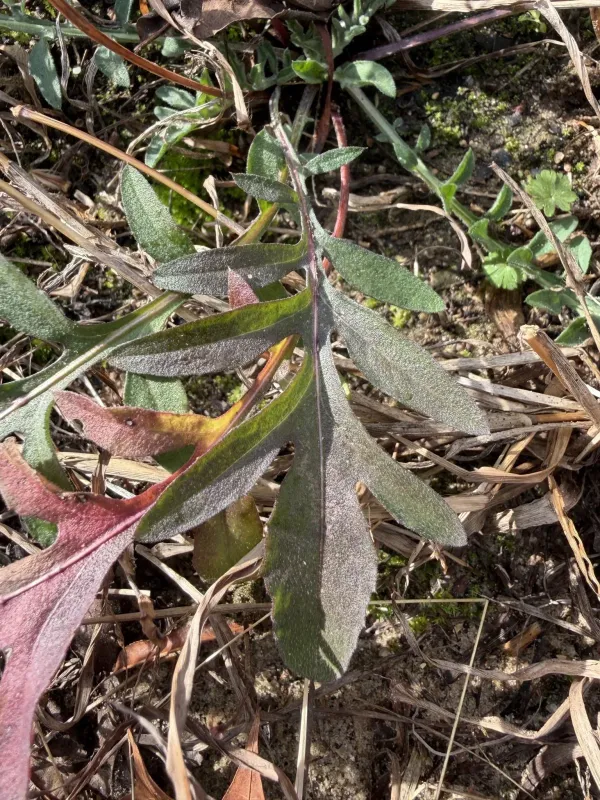
The plant features a branched stem that can grow up to 1 meter in height. Its leaves are deeply divided, while the flower heads are surrounded by black-tipped bracts, giving them a "spotted" appearance.
The flowers are typically pink or purple and bloom from early summer through fall. The plant produces a high volume of seeds, which are equipped with feathery bristles for wind dispersal.
It can reproduce both via seeds and through its root system, making it a persistent weed in various environments. The plant is highly competitive due to its rapid growth rate.
It is distinguished from other knapweeds by its specific bract morphology, which is essential for accurate field identification during the early vegetative stage.
Where it grows
This weed is native to Europe but has become a major invasive species in North America, thriving in dry grasslands, open meadows, and disturbed agricultural land.
It frequently colonizes roadsides, pastures, and poorly managed croplands. The plant is drought-tolerant and prefers well-drained, sandy, or gravelly soil conditions.
In farming, it poses a threat to cereal grains, legume fields, and perennial forage crops. It easily establishes in overgrazed or drought-stressed pastures.
It occupies abandoned fields and field margins, serving as a source for spreading into productive arable land through agricultural machinery.
Its ability to adapt to climate variation makes it a resilient competitor in modern agricultural systems across temperate zones.
Harm it causes
Spotted knapweed competes aggressively with crops for water, sunlight, and nutrients, leading to significant yield losses if not controlled in a timely manner.
The plant secretes allelopathic chemicals from its roots into the soil, which inhibit the growth and germination of surrounding crop species and native plants.
Infestations reduce the carrying capacity of pastures, as the weed is generally unpalatable to livestock and can form dense stands that replace nutritious forage.
The physical presence of the weed complicates harvest operations and can lead to grain contamination, necessitating additional cleaning and processing costs.
By displacing desirable vegetation, it degrades land value and disrupts the ecological stability of agricultural and natural habitats alike.
How to control
Cultural control includes implementing diverse crop rotations and maintaining healthy, vigorous crop stands that can outcompete the weed for resources.
Mechanical control involves deep tillage and frequent mowing of field margins before seed set to prevent the buildup of the soil seed bank.
Chemical control is highly effective when herbicides are applied during the rosette stage of the plant, which is the most sensitive period for systemic uptake.
Selective herbicides, such as those containing clopyralid or aminopyralid, are commonly used in pastures and non-cropland areas to provide long-term management.
Integrated Weed Management (IWM) combining competitive seeding, mechanical disturbance, and judicious herbicide application is the most sustainable approach for long-term control.
Taxonomy
- Latin name
- Centaurea stoebe
- Family
- Сложноцветные (астровые)
- EPPO code
- CENBB