
Black sea-blite
Suaeda nigra
Description
How to tell it apart
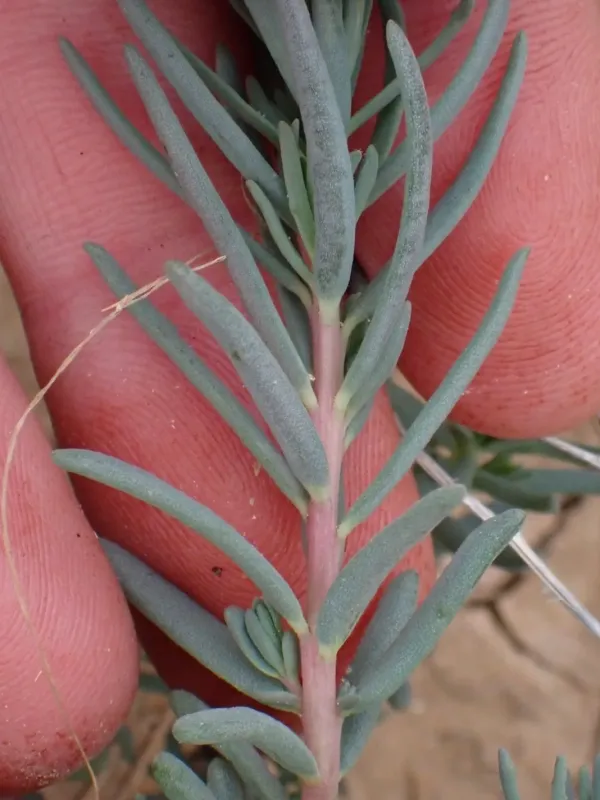
Black sea-blite (Suaeda nigra) is an annual plant belonging to the Amaranthaceae family. It is known for its fleshy, succulent leaves that often turn reddish or dark blackish-brown as the plant matures.
The stems of the plant are highly branched and often grow in a sprawling or ascending habit. This growth structure allows the weed to cover significant ground and compete effectively for space.
Its root system is deep and taproot-based, designed to absorb moisture and minerals even in harsh, saline conditions. This adaptability makes it a persistent weed in specific environments.
The flowers are small and inconspicuous, clustered in leaf axils. They produce numerous seeds, ensuring the plant's survival and spread across cultivated fields and waste areas.
Botanically, it is classified as a halophyte, meaning it is highly tolerant of salt, allowing it to thrive where other standard crop species might fail or struggle.
Where it grows
Suaeda nigra is primarily found in saline environments, including salt marshes, alkaline flats, and areas prone to soil salinization due to poor irrigation practices.
In agricultural settings, it is a common sight in irrigated fields where high mineral content in the water or poor drainage leads to the accumulation of salts in the topsoil.
It often invades crops near drainage ditches, canal edges, and low-lying parts of the field where water evaporation leaves salt deposits behind.
The weed is frequently observed in arid and semi-arid regions where climatic conditions promote the concentration of salts in the soil surface.
Aside from agricultural land, it thrives in disturbed areas, roadsides, and abandoned lands that have high mineral content in the earth.
Harm it causes
The primary harm caused by black sea-blite is its intense competition for water and soil nutrients, which directly impacts the growth and yield of cultivated crops.
In fields with high salinity, the presence of this weed exacerbates the stress on crops, leading to stunted growth and lower production quality of grains or vegetables.
The physical presence of the plant interferes with mechanical harvesting equipment, as its tough, branched stems can clog machinery and reduce operational efficiency.
As a host plant, it can harbor pests and pathogens that may migrate to neighboring crops, increasing the need for additional pesticide and fungicide applications.
Its role as an indicator of soil degradation forces farmers to invest in costly land reclamation measures, such as deep leaching or soil amendment programs.
How to control
Management starts with soil health improvement. Implementing leaching practices to lower the salt content of the topsoil makes the environment less suitable for this halophyte.
Effective agrotechnical controls include regular tillage to destroy seedlings before they establish strong root systems. Deep plowing helps manage the seed bank effectively.
Crop rotation using competitive, fast-growing crops can shade the soil surface, reducing the germination rate of Suaeda nigra seeds by limiting their access to sunlight.
Chemical control involves the application of appropriate herbicides. However, because these plants are adapted to stress, selecting the right timing and formulation is critical.
- Monitoring fields for early signs of infestation.
- Using authorized herbicides during the early vegetative stage.
- Maintaining field hygiene to prevent the spread of seeds via machinery.
Taxonomy
- Latin name
- Suaeda nigra
- Family
- Амарантовые
- EPPO code
- SUENI