
Amaranth (pigweed)
Amaranthus
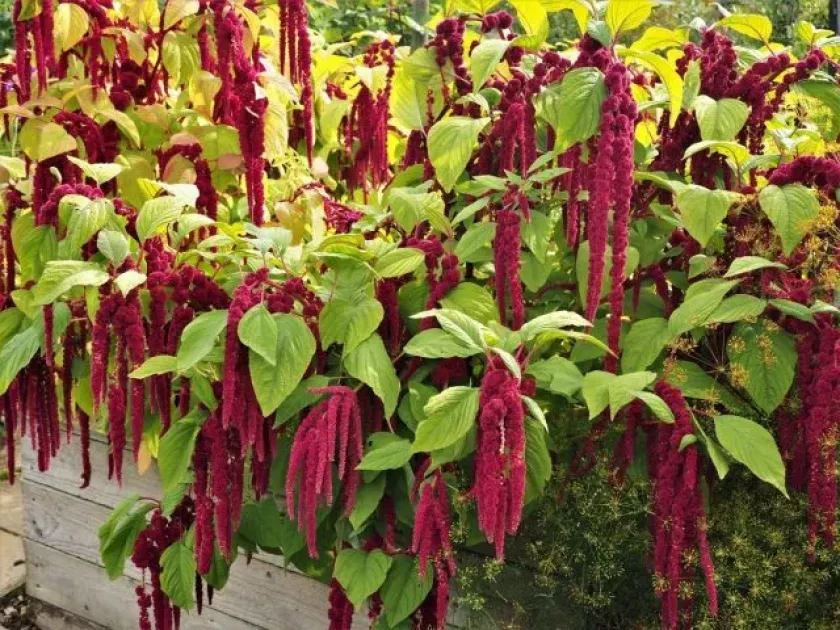
Description
How to tell it apart
Amaranth (Amaranthus), commonly known as pigweed, is a genus of annual herbaceous plants in the family Amaranthaceae. The most troublesome species in agriculture is Redroot pigweed (A. retroflexus), which is widely distributed globally.
These plants possess a deep taproot system, which grants them excellent drought tolerance and the ability to extract nutrients efficiently even from compacted soils. The stems are sturdy, often branched, and may grow quite tall.
The leaves are alternate, petiolate, and typically diamond or oval-shaped. They often have wavy margins and a rough texture due to fine hairs covering the surface, which is a key identifying characteristic.
Flowering occurs in dense, terminal, and axillary spikes or panicles. The flowers are numerous, very small, and generally green to reddish in color depending on the species and growth stage.
The seeds are tiny, round, and glossy black. A single healthy plant can produce hundreds of thousands of seeds, which are highly resilient and capable of remaining viable in the soil for many years.
Where it grows
Amaranth thrives in warm, temperate climates and is highly adapted to fertile, nutrient-rich soils. It is frequently found in cultivated fields, particularly in vegetable and row crops like corn, soybeans, and sunflowers.
The weed is highly opportunistic and thrives in disturbed environments, including field edges, abandoned areas, and sites with high nitrogen levels. It often germinates later in the season than many crops.
It shows significant biological plasticity, allowing it to emerge from various soil depths. This adaptability makes it a persistent nuisance that quickly colonizes open spaces in a field.
Germination typically begins when soil temperatures rise in late spring. Once established, its growth rate is extremely fast, often outcompeting crop seedlings for light and space.
Amaranth is well-suited to diverse soil types, ranging from sandy loams to heavier clays, which explains its broad geographical footprint across various agricultural zones.
Harm it causes
The primary damage caused by amaranth is its intense competition for limited resources. The plant absorbs large quantities of water and soil nutrients, directly reducing the yield potential of the main crop.
Its rapid biomass accumulation creates severe shading, which prevents sunlight from reaching the crop. This shading limits photosynthesis in the crop, stunting growth and development.
Amaranth serves as a host for numerous agricultural pests and pathogens, including nematodes and various aphids, which can then migrate to and damage the adjacent crop plants.
Harvesting becomes significantly more difficult with heavy pigweed infestations. Large, woody stems can clog combine harvester machinery, leading to downtime and increased mechanical wear.
Contamination of the harvested grain with amaranth seeds reduces the commercial value of the yield, often necessitating expensive cleaning and drying processes to meet quality standards.
How to control
Effective management requires a combination of cultural and mechanical practices. Crop rotation, combined with thorough seedbed preparation, is essential for reducing the soil seed bank of the weed.
Mechanical control, such as inter-row cultivation in row crops, is highly effective if performed early before the plants become too established or develop deep root systems.
Chemical control involves the use of pre-emergent herbicides to suppress germination, followed by post-emergent herbicides during the early growth stages of the weed.
Given the widespread development of herbicide resistance in Amaranthus species, it is critical to rotate modes of action and utilize tank mixtures to prevent the survival of resistant biotypes.
- Implementation of diverse crop rotations.
- Timely mechanical cultivation before the flowering stage.
- Monitoring fields to prevent seed production in isolated patches.
- Integration of pre-emergent and post-emergent herbicide programs.
Taxonomy
- Latin name
- Amaranthus
- Family
- Амарантовые
- EPPO code
- AMASS