
Alternanthera
Alternanthera
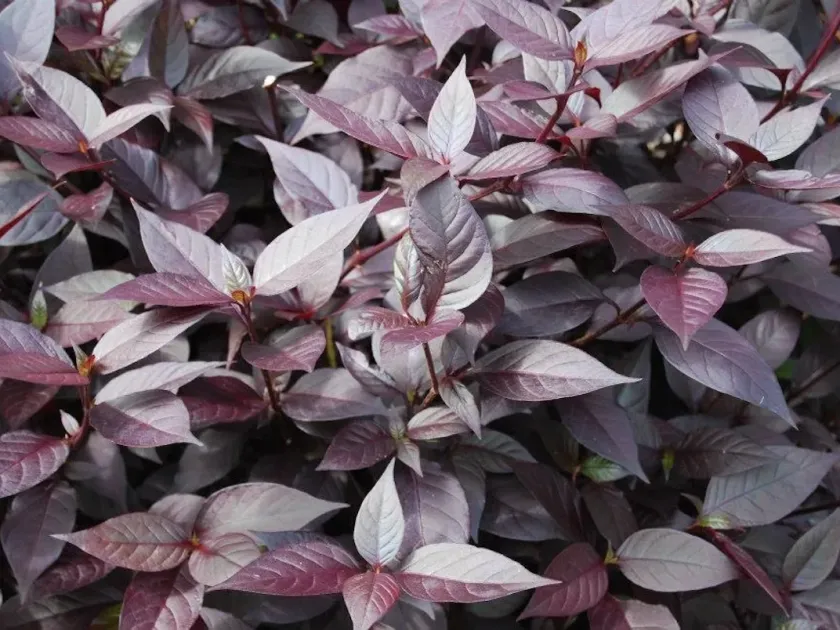
Description
How to tell it apart
Alternanthera is a genus of herbaceous plants belonging to the Amaranthaceae family. Biologically, these are thermophilic species often acting as aquatic or semi-aquatic weeds, capable of forming dense mats on water surfaces and damp soils.
The plant features trailing or ascending stems that often root at the nodes, which facilitates rapid vegetative reproduction. The leaves are opposite, simple, typically lanceolate or oval in shape, and often possess reddish or greenish hues.
The flowers are small and gathered in head-like or spike-like inflorescences, which can be white or creamy. A highly developed root system allows the plant to survive in environments with fluctuating water levels.
For identification purposes, it is essential to examine the structure of the bracts, which display traits characteristic of the Amaranthaceae family. While individual specimens may appear ornamental, they exhibit aggressive invasive behavior in the wild.
Propagation occurs both through seeds and stem fragments. Even a tiny piece of the plant that lands in favorable conditions can initiate active growth, making the control of this weed significantly more challenging.
Where it grows
Alternanthera prefers tropical and subtropical regions; however, certain species have spread invasively across the globe. It actively colonizes riverbanks, canals, irrigation systems, and rice paddies.
In terms of crops, it primarily damages those grown in irrigated conditions. Rice is particularly affected, as Alternanthera competes for light, space, and mineral resources, causing a significant reduction in overall yield.
This weed is frequently found near land reclamation facilities. Clogging of canals leads to the disruption of normal water flow, which indirectly harms agricultural land relying on these water sources.
The plant is well-adapted to waterlogged soils, making it common in low-lying field areas where water stagnates. It successfully displaces natural riparian vegetation.
Due to its high ecological plasticity, Alternanthera successfully occupies new territories whenever the hydrological regime of an area is even slightly disturbed.
Harm it causes
The main damage is caused by the formation of dense thickets that block light access to crops. This leads to the suppression of crop growth during the early stages of the growing season.
Alternanthera is a powerful competitor for nutrients. By absorbing nitrogen, phosphorus, and potassium from the soil, the weed depletes it, depriving cultivated plants of the substances necessary for forming a high-quality yield.
In rice cultivation, weed infestation makes mechanized harvesting difficult. Large quantities of weed biomass clog the working parts of agricultural machinery, significantly reducing operational efficiency.
Thick mats create a favorable environment for pests to breed and phytopathogens to develop. The plant can serve as an intermediate host for many insect species that are dangerous to agricultural crops.
Beyond direct damage, the plant degrades the quality of irrigation water, causing putrefactive processes as massive amounts of biomass die off in enclosed water bodies, which alters the water's chemical balance.
How to control
Agricultural control includes thorough cleaning of irrigation canals and strict adherence to crop rotation practices. It is crucial to use high-quality seeds that are free from any weed fragments.
Mechanical control involves regular mowing before the flowering stage to prevent seed dispersal. However, this method is largely ineffective for vegetative reproduction, as remaining parts in the soil can sprout new shoots.
Chemical control relies on the application of systemic broad-spectrum herbicides. Effective options include glyphosate-based products (for bank treatments) or selective herbicides targeted at dicotyledonous weeds in crop fields.
- Application of soil-applied herbicides before crop emergence.
- Regular field monitoring during the peak growing season.
- Use of contact herbicides during the 2-4 leaf growth stage.
It is important to follow the recommended application rates to avoid damaging the crops. In rice paddy conditions, chemical use is often restricted by safety regulations, so priority is given to mechanical and cultural techniques.
Taxonomy
- Latin name
- Alternanthera
- Family
- Амарантовые
- EPPO code
- ALRSS