
Rhaponticoides alpina
Rhaponticoides alpina
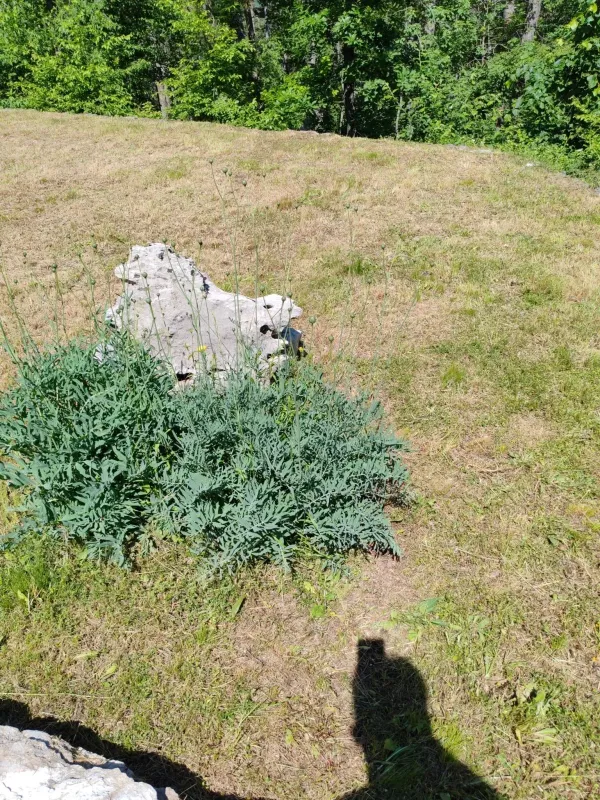
Description
How to tell it apart
Rhaponticoides alpina, formerly classified within the genus Centaurea, is a perennial herbaceous plant belonging to the Asteraceae family. It is characterized by a strong, deep taproot system.
The stems are erect, branched, and often covered with fine hairs, reaching heights between 60 and 100 cm. The leaves are arranged alternately along the stem, with basal leaves being stalked and upper leaves sessile.
The most distinctive feature is the large, solitary flower head surrounded by involucral bracts that possess a fringed or comb-like edge, which is a classic diagnostic trait for this species.
The florets are tubular, typically ranging in color from pink to deep purple or violet. The blooming period usually occurs in mid-summer, making the plant very visible in agricultural fields.
Propagation is primarily seed-based, aided by a small pappus for wind dispersal, though the plant can also persist via its perennial root structure, allowing it to regrow after mechanical damage.
Where it grows
This species thrives in open, sunny habitats, including dry meadows, rocky slopes, and steppe areas. In agricultural settings, it is often found on field margins and uncultivated lands.
It shows high adaptability to nutrient-poor, rocky, or calcareous soils, which allows it to establish itself as a persistent weed in areas surrounding productive crop fields.
Invasive occurrences in crops often happen when field edges are neglected, allowing seeds to blow into the cultivated area and germinate under favorable moisture conditions.
Harm it causes
Rhaponticoides alpina is highly competitive for water and soil nutrients. Its deep root system allows it to access resources that shallower crop plants cannot reach, leading to reduced overall yield.
The dense vegetative growth can shade out younger crops, inhibiting their photosynthetic efficiency and slowing down their maturation during the critical growing phases.
Weed infestation complicates harvesting procedures and reduces the commercial quality of grain batches, as the seeds are difficult to separate from many cereal crops.
Furthermore, the plant acts as a reservoir for various pests and diseases that may cross-infect sensitive crops, necessitating broader and more expensive phytosanitary measures.
How to control
Deep tillage or moldboard plowing is the primary mechanical control method, as it effectively severs the root system and prevents the weed from regenerating.
Regular mowing of field borders and non-crop areas is essential to prevent seed heads from forming and blowing into the main production field.
Chemical control usually involves the application of systemic herbicides, particularly those targeting broadleaf weeds, applied during the active growth phase before flowering.
- Deep mechanical tillage to disrupt the taproot.
- Mowing or trimming before seeds mature.
- Systemic herbicide application (sulfonylureas or growth regulators).
- Maintaining healthy crop density to minimize weed light competition.
Taxonomy
- Latin name
- Rhaponticoides alpina
- Family
- Сложноцветные (астровые)
- EPPO code
- RCSAL