
Neonesomia palmeri
Neonesomia palmeri
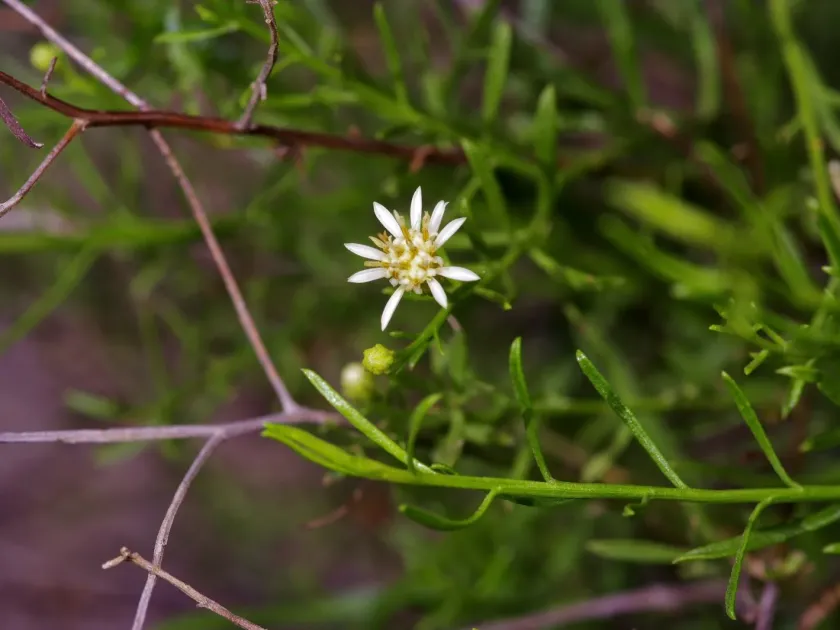
Description
How to tell it apart
Neonesomia palmeri is a resilient weed belonging to the Asteraceae family, often found in arid and semi-arid environments where it successfully competes for limited resources.
The plant is identifiable by its characteristic composite inflorescences, appearing as small flower heads that are typical for the Asteraceae family members.
Key morphological features include a sturdy, often pubescent stem that aids in moisture retention and a deep root system adapted to dry soil conditions.
The foliage density and leaf shape are critical indicators that allow agronomists to distinguish this species from other common annual or perennial weeds.
During the vegetative stage, the plant develops a rosette structure that provides it with a competitive advantage by shading the ground early in the growing season.
Where it grows
Neonesomia palmeri prefers open, sunlit areas and is frequently encountered in agricultural fields where it thrives on disturbed, well-drained soils.
It is particularly problematic in row crop systems, where the spacing between plants provides ample opportunity for the weed to establish a foothold.
The species has shown significant adaptability, colonizing field margins, abandoned lands, and edges of irrigation canals, which act as pathways for spread.
Seed dispersal is facilitated by wind and human activity, particularly the movement of farm machinery between infested and clean agricultural plots.
Environmental factors such as high temperatures and seasonal drought often exacerbate the dominance of this species over less hardy native vegetation.
Harm it causes
The primary damage caused by this weed is the intense competition for soil moisture and nutrients, which significantly limits crop yield potential.
Due to its expansive root architecture, it extracts essential minerals from soil depths often inaccessible to shallower-rooted crops, causing physiological stress.
The presence of dense infestations complicates harvesting operations, as the plant biomass increases the moisture content of harvested products.
Allelopathic interactions have been observed, where the weed releases substances into the soil that inhibit the germination and growth of desirable crops.
Shading of the main crop during critical growth phases results in reduced photosynthesis, leading to stunted plants and increased susceptibility to diseases.
How to control
Integrated weed management is essential for controlling Neonesomia palmeri, prioritizing cultural practices like strategic crop rotation to break its life cycle.
Deep tillage or mechanical cultivation is highly effective in disrupting the root system, preventing the weed from regenerating after initial removal.
Chemical control involving systemic herbicides applied during the early vegetative phase is recommended for larger, more established populations.
- Consistent monitoring of field edges to prevent expansion into the main crop area.
- Utilization of competitive crop varieties that can shade out the weed early on.
- Post-harvest tillage to destroy any remaining root biomass in the field.
Regular application of herbicide treatments tailored to the specific growth stage ensures that the weed does not reach maturity and spread its seeds.
Taxonomy
- Latin name
- Neonesomia palmeri
- Family
- Сложноцветные (астровые)
- EPPO code
- EIMAU