
Hedypnois rhagadioloides
Hedypnois rhagadioloides
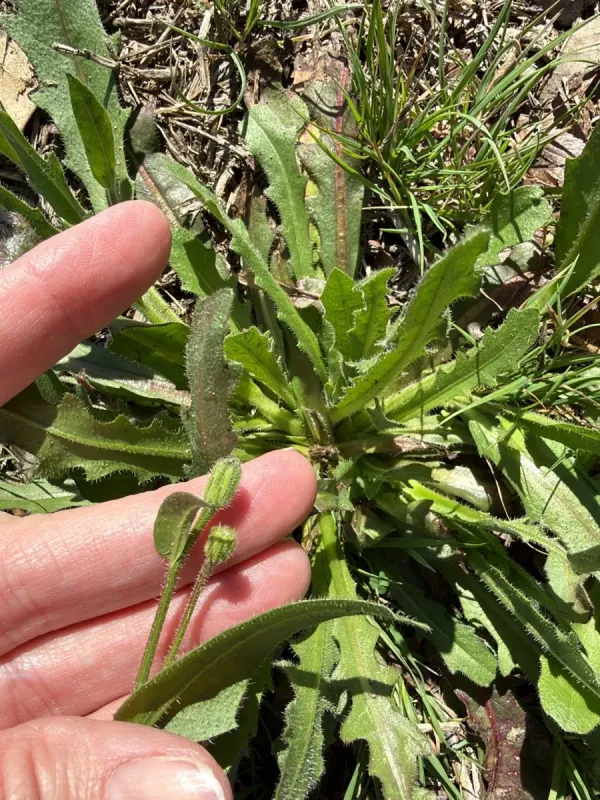
Description
How to tell it apart
Hedypnois rhagadioloides is a herbaceous annual plant belonging to the Asteraceae family, often recognized by its prostrate or ascending growth habit.
The plant features a basal rosette of leaves with toothed or lobed margins, covered in stiff hairs that serve as a primary diagnostic characteristic.
It produces solitary yellow flower heads on long peduncles, which have the interesting biological feature of closing after flowering to protect the developing seeds.
The fruit consists of achenes of two types, with some possessing a pappus for wind dispersal and others being more robust for persistence in the seed bank.
This species is highly prolific in seed production, allowing it to quickly colonize disturbed agricultural soils and compete for available resources.
Where it grows
Commonly found in Mediterranean and temperate climates, this weed thrives in sandy, well-drained, and sometimes rocky soils.
It is frequently observed infesting cereal fields, vegetable crops, and grassland, particularly in areas with intensive but irregular cultivation.
As a colonizer of disturbed sites, it is often found along field margins, roadsides, and abandoned lands, which serve as reservoirs for future infestations.
The plant is highly drought-tolerant, giving it a competitive advantage over many sensitive crops in arid or semi-arid agricultural environments.
It prefers open, sunny locations where it can establish early in the spring, outgrowing competing vegetation before the heat of summer sets in.
Harm it causes
The primary agricultural impact of Hedypnois rhagadioloides is the intense competition for soil moisture and nutrients, which directly suppresses crop development.
Its basal rosette can effectively shade out emerging crop seedlings, leading to reduced stand density and diminished overall crop vigor during the early stages.
Heavy infestations can interfere with mechanical harvesting operations, potentially causing clogging of machinery and reducing the quality of the harvested grain.
The weed can act as an alternative host for various pests and pathogens, potentially increasing the pressure of biological threats on the primary crop.
Failure to control the initial growth leads to rapid seed rain, which ensures a persistent and difficult-to-manage seed bank in the soil for years.
How to control
Effective management begins with mechanical practices such as shallow cultivation or harrowing, which are best utilized when the seedlings are at the cotyledon stage.
In row crops, systematic inter-row cultivation is a crucial strategy to disrupt the root systems and suppress the rosette growth of the weeds.
Chemical control involving selective herbicides that target Asteraceae species is recommended during the active growth phase of the weed for maximum efficacy.
Implementing a diverse crop rotation helps to disrupt the weed's life cycle, providing opportunities to use different herbicide modes of action.
Maintaining clean field borders through mowing or chemical treatment prevents the wind-dispersed seeds from encroaching into the main production areas.
Taxonomy
- Latin name
- Hedypnois rhagadioloides
- Family
- Сложноцветные (астровые)
- EPPO code
- HYNCR