
Kochia
Bassia scoparia
Description
How to tell it apart
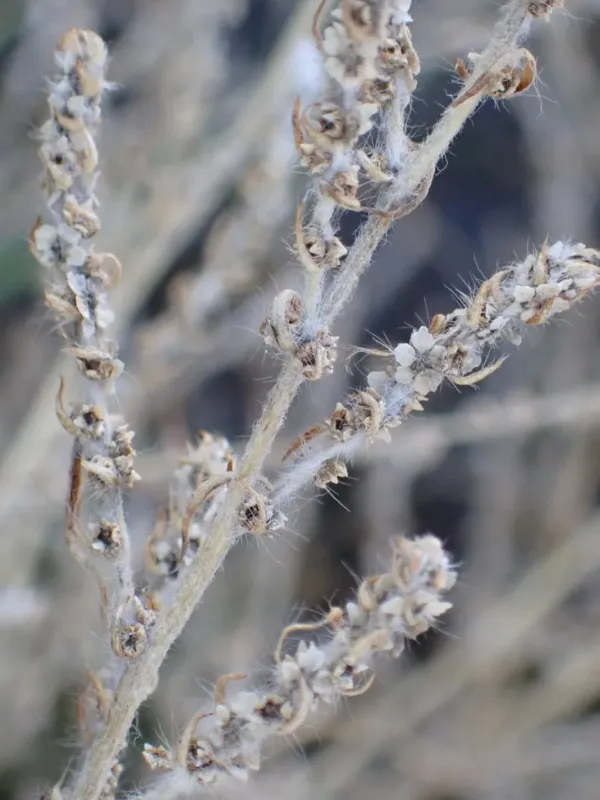
Kochia (Bassia scoparia) is an annual herbaceous weed belonging to the Amaranthaceae family. It is characterized by its highly branched, often bushy appearance, which can reach heights of up to 1.5 meters.
The leaves are narrow, lanceolate, and alternate, typically covered in fine, soft hairs that help the plant retain moisture in arid environments.
The flowers are small, greenish, and inconspicuous, forming dense clusters in the axils of the upper leaves, blooming from mid-summer until early autumn.
It possesses a deep taproot system, which allows it to scavenge for water and nutrients, making it highly competitive even in nutrient-poor or saline soils.
Known for its tumbleweed habit, mature plants often break off at the base and roll with the wind, effectively scattering their thousands of seeds across large fields.
Where it grows
Kochia is a widespread invasive weed found in steppes, waste areas, roadsides, and disturbed fields, exhibiting high environmental adaptability.
In agriculture, it frequently infests row crops such as corn, soybeans, and sunflowers, as well as cereal grains, thriving in both irrigated and dryland farming systems.
The weed is notorious for its ability to grow on saline or alkaline soils, where other crops struggle to establish, giving it a competitive advantage.
Its seeds can persist in the soil seed bank for several years, ensuring that populations return annually despite initial cleanup efforts if the soil is disturbed.
Global climate change and shifting agricultural practices have contributed to the rapid spread of Kochia across diverse geographical regions.
Harm it causes
The primary damage caused by Kochia is resource competition, as it rapidly depletes soil moisture and nitrogen, severely stressing nearby cash crops.
Its vigorous growth habit allows it to quickly overtop crop seedlings, reducing photosynthetic efficiency and leading to significant yield losses if not managed early.
Kochia is also a known host for several agricultural pests, including grasshoppers and beetles, as well as viral and fungal pathogens that can transfer to crop plants.
Infestation complicates harvest operations, as the thick, woody stems of mature plants can damage harvesting machinery and increase the moisture content of grain.
The plant's allelopathic potential — releasing chemicals that inhibit the growth of surrounding vegetation — further intensifies its negative impact on crop productivity.
How to control
Cultural control strategies include maintaining healthy, competitive crop stands, practicing appropriate crop rotation, and performing timely tillage to bury seeds.
Chemical control is often challenging due to the emergence of herbicide-resistant biotypes, making the use of diverse modes of action strictly necessary.
Integrated Weed Management (IWM) is the most effective approach, combining mechanical cultivation, competitive cropping, and targeted herbicide applications.
Early intervention is critical, as controlling Kochia while it is still in the seedling stage significantly increases the success rate of chemical treatment.
- Scouting fields regularly to detect new infestations before they go to seed.
- Using post-harvest tillage to destroy mature plants before they break off as tumbleweeds.
- Applying pre-emergence herbicides to limit initial population establishment.
- Cleaning machinery after working in infested areas to prevent seed transport to clean fields.
Taxonomy
- Latin name
- Bassia scoparia
- Family
- Амарантовые
- EPPO code
- KCHSC