
Successful Pepper Cultivation: How to Prepare Seeds
The second decade of February is the time to take care of sowing Bulgarian and hot pepper seeds for seedlings. The origin of this crop is the hot country of Mexico, so low temperatures are harmful to it. For this…
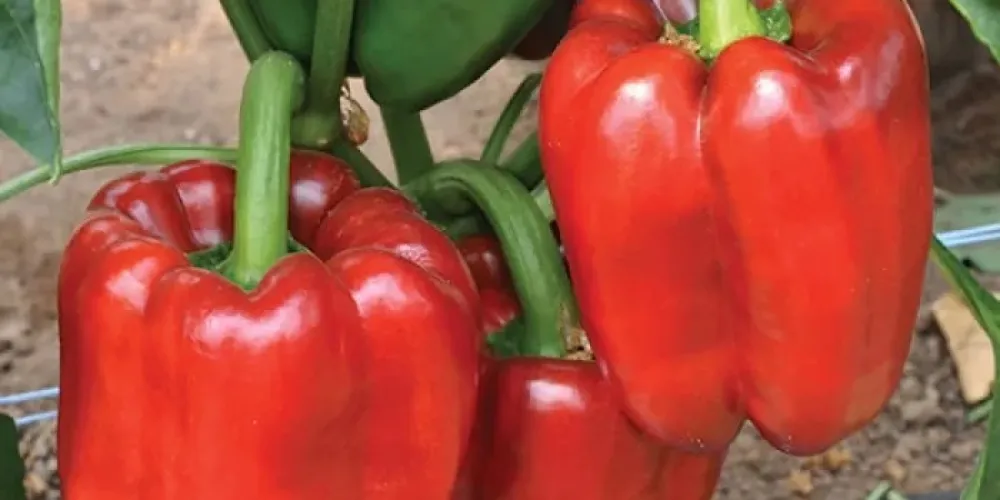
The second decade of February – this is the time to take care of sowing Bulgarian and hot pepper seeds for seedlings. The origin of this crop – the hot country of Mexico, so low temperatures are harmful to it. For this reason, it is better to grow the crop using the seedling method. You can purchase pepper seeds in advance at specialized trading platforms, both online and offline stores.
Known Pepper Varieties and Their Characteristics
There are many different varieties of pepper. We can distinguish two main categories:
- Sweet, also known as «Bulgarian». This is the most common and popular variety. It is known for its sweet taste and relatively large fruits. The shape can be cube-shaped, conical, or even round. Red, green, and yellow shades predominate, rarely – white or purple.
- Hot, or «pungent». It has a spicy taste. The fruits are usually small in diameter, have an elongated-conical shape or resemble «goat's horn». There is also a decorative hot pepper — small but sufficiently spicy for those who prefer «strong flavor».
Both varieties are rich in vitamins C and P in different proportions.
Conditions for Planting Pepper
This crop prefers light, loose, and fertile soil with neutral acidity. Good lighting is very important, especially in the morning hours, when the daylight is bright but short. Even the slightest shading, whether from plants or buildings, leads to a reduction in yield.
It is important to note that pepper tends to be consistent. Despite its love for warmth, it does not tolerate excessively high temperatures and bright sunlight, which can cause burns on the fruits. Therefore, for its growth and development, stable conditions are necessary.
Transplanting into open ground is recommended when soil temperature remains at least +15 degrees during the day and +8 at night. Usually, this is the second decade of May, when spring frosts should no longer occur. If you have a greenhouse or a plastic greenhouse, you can transplant seedlings 2–3 weeks earlier.
Preparing Seeds for Planting
Preparing seeds for planting includes several stages:
- Seed selection. The seeds are carefully examined and small or damaged specimens are removed.
- Disinfection. The planting material is placed in a salt solution (30 g salt per liter of water). Anything that floats within 5–7 minutes is removed – these are empty flowers. The remaining seeds are rinsed.
- Fungicidal treatment. The planting material is soaked in a dark pink potassium permanganate solution for about 20 minutes. You can use «Fitosporyn» or other fungicides. After treatment, rinse with water.
- Microelement enrichment. Mix 20 g of wood ash with a liter of water and leave it overnight. Soak the planting material in the solution for 5 hours, then dry it on a paper towel.
- Germination. Place the seeds between layers of moist fabric and leave them in a warm place at a temperature of +25 degrees. Within a week or two, they will germinate. You can plant them after they have swollen.
Some gardeners perform seed hardening. They keep them warm for 10 days, then cool them at night in the refrigerator. This stage is not mandatory, but it helps to grow stronger seedlings.
Editorial team agronom.info
Materials are prepared by the portal's agronomists and editors. We use only trusted sources: Ukrainian agricultural universities, variety registries, open scientific publications.
Related articles

Greenhouse Photosynthesis Simulator: Light and CO2 Impact Calculator for Plants
Watermelon Market 2026. The Best High-Profit Watermelon Varieties.
From scratch to its own brand: How DOLYA-2019 Farm is building a niche agribusiness on pumpkin seeds
Not yet comments. Be the first!
Comments · 0