
Talc
Description
Mode of action
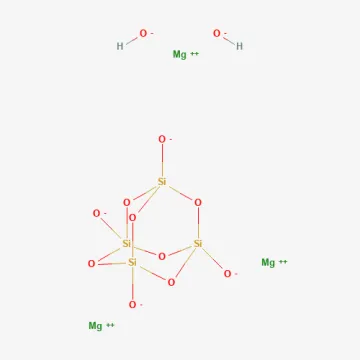
Talc (hydrated magnesium silicate) is classified as an inert mineral filler used extensively in agrochemistry. While it possesses no direct biological activity against pests or pathogens, it plays a vital role in pesticide formulations and agronomic technologies.
The primary mechanism of talc is its high capacity to absorb moisture and reduce friction between particles. As a carrier, it ensures an even distribution of active ingredients on the surface of seeds or plant tissues.
In planting technologies, talc is utilized to improve seed flowability. Its fine particles coat the seed coat, preventing sticking and ensuring precise dosing during sowing with pneumatic planters.
The mineral creates a physical barrier that promotes better adhesion of fungicidal and insecticidal seed treatments. This prevents the active product from sloughing off the seed surface, thereby increasing the effectiveness of the treatment.
Due to its chemical inertness, talc does not react with pesticide active ingredients, maintaining their stability and biological efficacy over long storage periods.
What it targets
Talc is applied not against specific organisms, but to improve crop protection processes against a complex of pests and diseases. It is an indispensable component in treating seeds of cereals, corn, sunflower, and soybeans.
The use of talc minimizes the negative impact of humidity when storing treated seeds. This prevents the growth of mold fungi and premature germination of the seed stock in piles or storage bins.
In the field, talc powder is used to protect seeds from mechanical damage as they pass through planting mechanisms. Reducing friction helps maintain the integrity of the seed coat and the applied protective layer.
Adding talc to tank mixes or using it as a dusting agent helps distribute powdered preparations evenly, preventing clumping under various environmental conditions.
The application of this mineral is particularly relevant in regions with high air humidity, where standard storage or planting methods require extra measures to ensure seed flowability.
Rates and timing
The application rate of talc depends on seed flowability, air humidity, and the technical specifications of the sowing equipment. Typically, the dosage ranges from 200 to 500 grams per seed unit (about 50,000–80,000 corn seeds).
Application is performed directly into the seed hopper before planting begins. It is crucial to thoroughly mix the talc with the seeds to achieve even coating of each individual seed unit.
When used in seed treatment formulations, talc is added to the treatment slurry during the mixing phase or during dry seed coating, as specified by the instructions for the particular pesticide.
The timing of application is limited to the seed preparation phase or directly during the planter loading process. The effect of talc remains until the moment of sowing and the seed's placement in the soil.
It is recommended to adjust the application rate based on seed size: smaller seeds may require a slightly higher dosage to create a sufficient protective layer.
Restrictions
Talc is a safe, inert material; however, safety precautions must be followed to protect the respiratory system. Fine talc dust can cause irritation to mucous membranes.
Inhalation of dust must be avoided when filling planters. Using an FFP2-class respirator or higher is a mandatory requirement when working with dry powder formulations.
Talc should be stored in dry, well-ventilated warehouse facilities in tightly closed packaging. Exposure to moisture renders talc unsuitable for its primary purpose of improving flowability.
Mixing talc with highly alkaline or acidic reagents in concentrated form outside of industrial settings is not recommended, despite its general inertness, to avoid altering the physical properties of the mixture.
When disposing of waste containing talc, general agricultural chemical waste management rules should be followed to prevent significant quantities of mineral dust from entering water bodies.
Status in the European Union
Approved in the EU
- CAS number
- 14807-96-6
- Approved from
- 28.05.2018
EU status is for reference only and does not replace national registration in your country.