
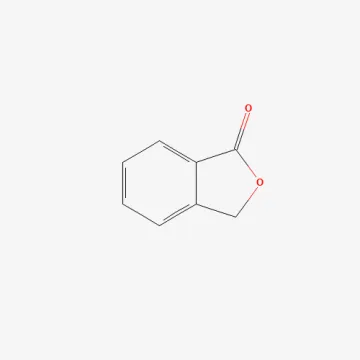
Phthalide
Description
Mode of action
Phthalide is a specialized fungicide belonging to the chemical class of isobenzofuran derivatives. Its main purpose is to suppress pathogenic fungi that cause serious diseases in agricultural crops.
The mechanism of action of the substance is based on the inhibition of melanin biosynthesis in fungal pathogens. Melanin plays a critical role in the process of the fungus hyphae penetration into plant tissues, providing mechanical strength to the infection structure.
Without melanin, the pathogen loses the ability to penetrate inside plant cells, remaining on the surface of the epidermis. This stops the development of the infection at the earliest stages, preventing tissue damage.
Phthalide has a pronounced systemic effect and preventive action. It does not kill the fungus directly upon contact but blocks its ability to infect, which makes it extremely effective in integrated protection schemes.
This substance is often used in tank mixes with other fungicides, which allows expanding the spectrum of action and minimizing the risk of resistance development in disease pathogens.
What it targets
The primary area of phthalide application is the control of rice blast (Pyricularia oryzae). This disease is capable of destroying a significant portion of the harvest, so timely treatment is of decisive importance.
The preparation effectively suppresses both the leaf form of rice blast and the infection of the rice panicle. The use of phthalide allows preserving grain quality and avoiding mass lodging of rice crops.
Phthalide is not used for the control of pests, insects, or weeds, as its biological activity is strictly limited to fungal organisms that use the melanin pathway for invasion.
In agronomic practice, it is also considered a tool for reducing the infection background in fields where rice has been grown as a monoculture for many years.
Application against mixed infections is possible if phthalide is combined with other active ingredients that expand the impact on other types of fungal leaf spots.
Rates and timing
Phthalide application rates depend on the preparation's formulation and the degree of epiphytotic development in rice crops. On average, working solutions are prepared according to the manufacturer's regulations for ground spraying.
The timing of treatments is critically important: the first treatment is usually carried out during the tillering phase or before shooting, the second — during the panicle emergence phase, which is the most vulnerable moment for pathogen development.
When working with phthalide, it is necessary to ensure uniform coverage of the leaf surface. On large areas, aerial application is recommended while strictly adhering to the concentration of the active ingredient.
The frequency of treatments per season is usually limited to two applications. This is dictated by the need to avoid excessive load on the soil and the ecological environment in water bodies adjacent to rice paddies.
To achieve the maximum effect, it is recommended to monitor weather forecasts: treatment should be carried out in dry, calm weather, avoiding the washing off of the preparation by precipitation in the first hours after spraying.
Restrictions
Phthalide is classified as a moderately hazardous compound for warm-blooded animals, but it requires strict adherence to safety rules when working with concentrated emulsions or powders.
Particular attention should be paid to the protection of water bodies, as fungicides for rice can be toxic to aquatic fauna and fish in case of uncontrolled runoff. Sanitary buffer zones must be maintained.
Personal protective equipment (respirators, gloves, protective suits) is mandatory when preparing the solution and carrying out field spraying operations.
After finishing the work, it is necessary to thoroughly rinse the spraying equipment to exclude the possibility of residual preparation getting onto other crops during subsequent use of the equipment.
Storage of the preparation should be carried out in specialized warehouse facilities with controlled temperature, away from food, animal feed, and direct sunlight.
Status in the European Union
Not approved in the EU
- CAS number
- 87-41-2
EU status is for reference only and does not replace national registration in your country.