
Ozone
Description
Mode of action
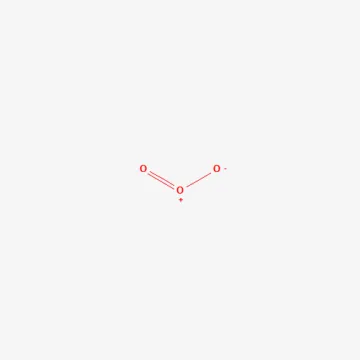
Ozone (O₃) is a powerful natural oxidant used in agriculture as an environmentally friendly agent for combating plant pathogens. Unlike systemic pesticides, it acts through direct contact, destroying the cell walls of microorganisms and disrupting the integrity of their enzymatic systems.
The mechanism of action is based on the direct oxidation of organic compounds that form the membranes of bacterial, fungal, and viral cells. During the reaction, ozone decomposes into oxygen, making it extremely attractive from an environmental perspective as it leaves no toxic residues in the final product.
Ozone application allows for the effective suppression of spore activity in fungi and vegetative forms of bacteria. Due to its high reactivity, the gas penetrates difficult-to-reach areas where other plant protection products might be less effective or impractical to use.
An important feature of ozone is its short-term action, linked to the high instability of the molecule. This eliminates the risk of active substance accumulation in soil, water, or plant tissues, which is critical when growing organic produce.
In addition to disease protection, ozone has a stimulating effect on certain physiological processes in plants, increasing their resistance to abiotic stress when applied at the correct dosage.
What it targets
Ozone is used against a wide range of plant pathogens, including powdery mildew, early blight, grey mold, and bacterial leaf spots on various crops. It is also effective in pest control when treating storage facilities.
The main areas of application are seed disinfection, greenhouse sterilization, and vegetable storage sanitization. Ozone successfully destroys mold fungi, such as Aspergillus and Penicillium, preventing crop spoilage during storage.
It is used to combat grain storage pests in silos and granaries. Ozonation reduces populations of weevils and mites without the use of high-toxicity fumigants.
Application in hydroponic systems allows for the purification of nutrient solutions from pathogenic microflora, preventing the spread of root rots. This ensures stable crop growth in indoor environments.
The method is effective for suppressing viral activity on the surface of seeds before planting, which reduces the risk of primary infection of seedlings in field conditions.
Rates and timing
Ozone application rates strictly depend on the volume of the space being treated and the level of pathogenic load. For room disinfection, air ozonizers with calculated output are used to ensure that a lethal concentration for fungal spores is reached.
Seed treatment is conducted in sealed chambers, where exposure time is calculated individually based on moisture content and the degree of grain infestation. Excessive concentrations can negatively affect germination, so precise timing is required.
In greenhouses, ozonation is performed in the absence of personnel and animals, usually during evening or night hours. The frequency of procedures is determined by the sanitary state of the facility and the history of disease outbreaks in the area.
For treating nutrient solutions in hydroponics, ozone is supplied via diffusers. It is important to adhere to dosages to avoid burning the root system due to excessive oxidation of the medium.
Waiting periods after treatment are minimal due to the rapid decay of ozone, allowing work in the facilities to resume just hours after the ozonation cycle is complete.
Restrictions
The primary limitation is the toxicity of ozone to humans and animals when inhaled in high concentrations. Operations must be carried out using personal protective equipment and mandatory ventilation of the premises.
The high corrosive activity of ozone requires the use of specialized equipment resistant to oxidation. Metal structures and certain types of polymers can degrade under systematic gas exposure.
Direct prolonged exposure of concentrated ozone to growing plants must be avoided, as it can lead to necrosis of the leaf blades and chlorophyll loss.
- Control air humidity during ozonation (effectiveness is lower in dry environments).
- Ensure the hermetic sealing of the treatment zone.
- Use ozone concentration sensors for personnel safety.
- Regularly check the functionality of ozonizers.
When using ozone in grain storage, it is important to note that the gas has limited penetration depth into dense mass, so forced air circulation systems are necessary.
Status in the European Union
Pending
- CAS number
- 10028-15-6
EU status is for reference only and does not replace national registration in your country.