
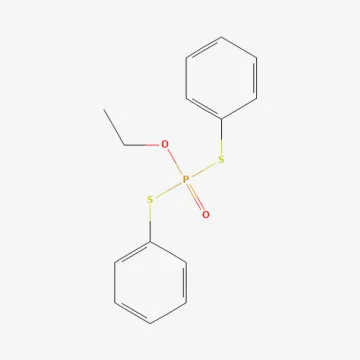
Edifenphos
Description
Mode of action
Edifenphos is an organophosphorus fungicide that acts as a systemic agent to control specific fungal pathogens. Its primary mode of action is the inhibition of phosphatidylcholine biosynthesis within the fungal cells.
By disrupting the structural integrity of fungal membranes, the chemical effectively halts the growth of mycelium and spore germination. This leads to the rapid inhibition of fungal spread within the plant tissues.
The systemic nature of the compound allows it to be absorbed by leaves and stems, protecting parts of the plant that were not directly contacted by the spray application. This internal mobility is essential for complete crop protection.
It provides both curative and preventative effects, making it a valuable tool in managing fungal outbreaks. By reducing the metabolic capacity of the pathogen, it limits the ability of the fungus to cause tissue necrosis.
The compound remains stable within the plant system for a period, offering residual protection against secondary infections that may occur after rainfall or temperature changes that favor spore proliferation.
What it targets
The primary use of edifenphos is the control of rice blast caused by the fungus Pyricularia oryzae. Rice blast is recognized as one of the most destructive diseases in rice-producing regions globally.
Furthermore, it demonstrates efficacy against various species of Helminthosporium, contributing to a broader spectrum of protection against foliage diseases that occur under high humidity conditions.
By controlling these pathogens, edifenphos helps in maintaining the health of the plant's vascular system, which ensures proper nutrient uptake and prevents early senescence or lodging of the rice stems.
The application of this fungicide is vital for the protection of panicles, as infections at this stage can lead to significant yield losses and lower grain quality due to the formation of empty or shriveled grains.
In large-scale farming, it is used to suppress the inoculum load in the field, preventing the buildup of spores that could otherwise cause severe epidemics in susceptible rice varieties.
Rates and timing
Application rates for edifenphos vary depending on the disease intensity, crop growth stage, and local environmental factors. Typically, rates range from 0.5 to 1.5 liters of active ingredient per hectare.
Timing of the application is critical; it should be applied preventatively at the onset of disease symptoms or just before expected high-risk infection periods, such as warm and wet weather phases.
When preparing the spray solution, it is necessary to ensure complete dissolution in the water tank. Consistent agitation is recommended to maintain a uniform suspension throughout the spraying process.
Achieving uniform coverage is essential, especially when targeting dense foliage. Modern hydraulic sprayers or aerial application equipment are typically used to ensure the chemical reaches the target area efficiently.
Farmers must strictly observe the pre-harvest interval (PHI) to ensure that the chemical residue levels in the harvested rice meet international food safety and regulatory standards.
Restrictions
Edifenphos is classified as a toxic substance and requires rigorous safety protocols. Personnel must wear appropriate personal protective equipment (PPE) to prevent skin, eye, and respiratory exposure during handling.
The product poses risks to aquatic organisms and non-target beneficial insects, including bees. Therefore, drift into water bodies or flowering areas outside the target field must be strictly prevented.
Phytotoxicity may occur if the product is applied at excessively high concentrations or during periods of extreme heat stress or drought, which can impair the plant's physiological recovery.
To prevent the selection of resistant fungal strains, it is highly recommended to rotate edifenphos with fungicides belonging to different chemical classes or modes of action within a seasonal management program.
- Do not mix with highly alkaline substances to avoid chemical degradation.
- Store in a secure, well-ventilated location protected from direct sunlight.
- Follow local environmental regulations for container disposal after use.
Status in the European Union
Not approved in the EU
- CAS number
- 17109-49-8
EU status is for reference only and does not replace national registration in your country.