

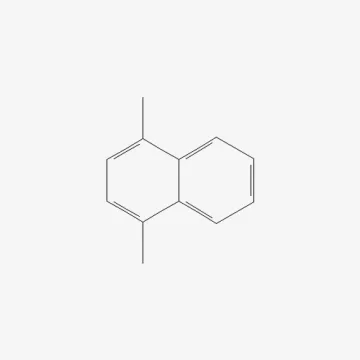
Description
Mode of action
1,4-dimethylnaphthalene is a naturally occurring compound belonging to the naphthalene class, widely used as a highly effective plant growth regulator. It acts as a natural sprout suppressant, promoting the transition of tubers into a state of deep physiological dormancy.
The mechanism of action is based on the suppression of metabolic processes in the meristematic tissues of the tubers. Upon application, the active ingredient molecules penetrate the potato skin, slowing down cell division in the eyes.
The product mimics natural signaling molecules that plants produce to control dormancy. This helps prevent premature bud awakening even during short-term temperature fluctuations within storage facilities.
Unlike many synthetic hormonal agents, 1,4-dimethylnaphthalene is rapidly absorbed and distributed throughout the tuber. It maintains a stable state of dormancy for an extended storage period without compromising the market quality of the produce.
An important aspect is the absence of phytotoxicity when application regulations are followed. The substance does not affect the tuber's subsequent ability to sprout upon planting in the soil, as it is gradually metabolized by the plant tissues.
What it targets
The primary target for 1,4-dimethylnaphthalene application is potato (Solanum tuberosum) stored in specialized vegetable warehouses. It effectively prevents the sprouting of all types of table, seed, and processing potatoes.
The substance protects the harvest from weight loss, which inevitably occurs with mass sprout formation. Sprouts are centers for moisture evaporation, so suppressing them is critical for maintaining tuber turgor.
Using the product minimizes the development of bacterial and fungal rots that often infect potatoes at sites of mechanical damage caused by bud growth. This significantly increases the yield of marketable fractions after winter storage.
The treatment also helps preserve high taste qualities and technological properties of the tubers, which is especially relevant for enterprises producing chips and french fries, where sugar and starch content is critical.
The product does not have direct insecticidal or fungicidal effects on pathogens, but it indirectly creates unfavorable conditions for secondary infection by maintaining the integrity and health of the tuber periderm.
Rates and timing
Application is carried out mainly by aerosol fogging using specialized equipment in sealed storage facilities. The dosage of the active ingredient depends on the room volume and the density of the stored produce.
Treatment is performed after the potato "curing" period, once the temperature within the tuber mass has stabilized. This usually occurs 2–4 weeks after the harvest is placed in storage.
It is important to strictly control the airtightness of the storage during and for several days after spraying. This is necessary for uniform fog distribution and achieving the required concentration of the substance in the inter-tuber space.
Dosage is calculated based on the targeted storage duration. If long-term storage is required, repeated applications may be necessary if monitoring indicates signs of eye awakening.
After the storage cycle is complete, mandatory ventilation of the premises is required before personnel can enter. Agronomists must strictly follow the interval times indicated in the instructions until the storage is fully degassed.
Restrictions
It is strictly prohibited to treat potatoes intended for consumption immediately before sale without observing pre-harvest intervals. A regulated period must be maintained so that the substance concentration decreases to safe levels.
The product must be used only in professional storage facilities equipped with forced ventilation and air filtration systems. Use in domestic conditions or unequipped cellars is not permitted.
Personnel performing fumigation must use personal protective equipment for respiratory and skin protection. Working with concentrated products requires adherence to fire safety measures due to the potential presence of solvents.
It is not recommended to exceed the recommended dosages, as an excess of the substance can lead to skin discoloration or suppression of tuber respiration, which may cause physiological disorders during long-term storage.
Store 1,4-dimethylnaphthalene-based products in tightly closed original packaging, in dry and cool premises inaccessible to unauthorized persons, ensuring no contact with food products.
Regulatory
Status in the European Union
Approved in the EU
- CAS number
- 571-58-4
- Category (EU)
- PG - Plant growth regulator
- Approved from
- 01.07.2014
- Approval until
- 30.11.2027
- ADI
- 0.1 mg/kg bw/day
- ARfD
- Not appl.
- AOEL
- 0.32 mg/kg bw/day
EU legislation
EU status is for reference only and does not replace national registration in your country.
Content graph
Connections · 1,4-Dimethylnaphthalene
Most often together:
Marketplace