

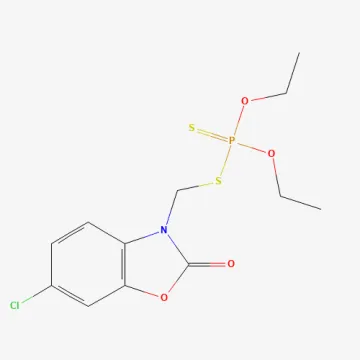
Description
Mode of action
Phosalone is a member of the organophosphate chemical class, functioning as a highly effective broad-spectrum insecticide and acaricide for agricultural use.
The mode of action involves the inhibition of the enzyme acetylcholinesterase in the nervous systems of insects and mites, disrupting neurotransmission at the synapses.
The accumulation of acetylcholine resulting from enzyme blockage leads to continuous nerve excitation, muscle spasms, and eventual paralysis of the target organisms.
The active ingredient exhibits both contact and stomach poison activity, allowing it to control a wide range of pests upon physical contact or ingestion.
Phosalone has a moderate translaminar effect, allowing the substance to penetrate plant surface tissues and provide extended residual control over emerging pest populations.
What it targets
Phosalone is effectively used to combat a wide spectrum of chewing and sucking pests that threaten various agricultural crops during their growth cycles.
Formulations based on this active ingredient show high biological efficacy against aphids, thrips, and psyllids, which interfere with vital sap circulation.
The compound is successfully applied for the control of Lepidoptera larvae, including various species of cutworms, fruit moths, and leafrollers that damage foliage and fruits.
A significant characteristic of phosalone is its strong acaricidal activity, which enables the effective management of herbivorous mite populations in orchards and fields.
Furthermore, it provides suppressive effects against various beetle larvae and other harmful insects active during the periods of intensive crop development.
Rates and timing
Timing for application is strictly determined by the economic threshold of specific pest species and the phenological stage of the crop being protected.
Application is typically recommended during the vegetative stage upon the mass emergence of larvae or adults to ensure the most effective pest population suppression.
The required volume of the working spray solution varies based on the type of application equipment used and the density of the plant canopy.
Achieving thorough and uniform coverage of all plant surfaces is a crucial prerequisite for the successful performance of this insecticidal treatment.
Recommended intervals between consecutive applications are based on the residual protective period of the product, which usually ranges from 14 to 21 days.
Restrictions
Phosalone is classified as a moderately toxic substance; therefore, strict adherence to personal protective equipment and safety protocols is mandatory for operators.
Application is prohibited during periods of active crop flowering due to the high risk posed to non-target pollinators, particularly honeybees.
Operators must strictly observe pre-harvest intervals (PHI) to ensure that residues in the harvested produce comply with established agricultural safety standards.
Rotation with other organophosphate pesticides is generally discouraged to prevent the development of pest resistance to this specific chemical group.
Storage, handling, and disposal of containers must comply with local environmental regulations to prevent contamination of soil and water sources.
Content graph
Connections · Phosalone
Most often together:
Marketplace
Products · 2
