Description
Mode of action
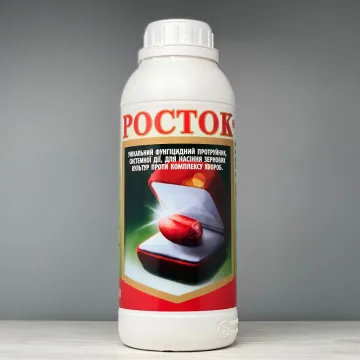
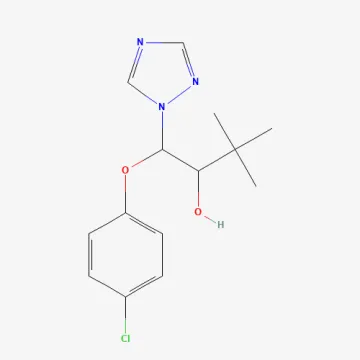
Triadimenol is a systemic fungicide belonging to the triazole chemical class. It functions primarily by inhibiting the biosynthesis of ergosterol, a vital component of fungal cell membranes, which prevents the fungus from developing properly and leads to its death.
The systemic nature of the substance allows it to be absorbed by seeds, roots, and green plant tissues. Once inside the plant, it translocates acropetally, providing comprehensive protection to the plant's vascular system and newly emerging leaves.
By interfering with the metabolic pathways of pathogenic fungi, triadimenol effectively stops mycelial growth and spore production. This prevents the progression of disease and inhibits the spread of infection to adjacent healthy tissues.
The compound provides a long-lasting residual effect, which is crucial for protecting crops throughout their vulnerable growth stages. This stability is particularly beneficial when applied as a seed dressing to defend against soil-borne pathogens.
Triadimenol exhibits both prophylactic and curative properties. It can be used to prevent infections before they occur or to manage ongoing outbreaks by suppressing the pathogen on the surface and within the plant tissues.
What it targets
Triadimenol is widely used to control a broad spectrum of diseases in cereal crops. It is particularly effective against various types of smut diseases that can significantly reduce the yield potential of wheat and barley crops.
The fungicide is a reliable tool for managing powdery mildew, which is a common and destructive disease in many cereal-growing regions. It also provides control against various rust species, protecting the plant from foliage damage.
Additionally, the active ingredient is effective against various leaf spot diseases, including Rhynchosporium and net blotch, which often affect barley crops and decrease the photosynthetic capacity of the plants.
- Loose and covered smut in cereals.
- Powdery mildew in wheat and barley.
- Leaf and stem rust.
- Various soil-borne and seed-borne fungal infections.
Using triadimenol contributes to overall crop health and vigor, allowing plants to reach their full yield potential by minimizing the negative impact of common fungal pressures throughout the growing season.
Rates and timing
The application rates for triadimenol depend on the specific formulation, the target pathogen, and the crop growth stage. It is most commonly applied as a component of sophisticated seed treatment mixtures to ensure a broad spectrum of protection.
For seed treatment, the dosage must be carefully calibrated to ensure uniform coverage of the grain. Proper application prevents infection from both the seed surface and the surrounding soil environment during germination.
When used as a foliar fungicide, the timing of application should be based on regular scouting and monitoring of disease incidence in the field. Early detection allows for more effective suppression of pathogens.
Compatibility with other pesticides and micronutrients is an essential consideration. Tank-mix partners should be tested beforehand to ensure no adverse physical or chemical reactions occur that could reduce the efficacy of the triadimenol.
Adherence to the manufacturer's label instructions regarding dosage and frequency is strictly necessary to avoid phytotoxicity and to ensure maximum effectiveness of the product under varying environmental conditions.
Restrictions
Safety during the handling and application of triadimenol is paramount. Users must wear appropriate personal protective equipment, including respirators and skin protection, to prevent accidental exposure during the preparation and spraying process.
To prevent the development of resistance in fungal populations, it is strongly recommended to alternate triadimenol with fungicides that have different modes of action. This is a core practice in integrated pest management.
Environmental care must be taken to prevent runoff into water bodies. It is prohibited to apply the substance near sensitive aquatic areas or areas where beneficial insect populations could be negatively impacted.
Environmental conditions during application, such as extreme temperatures or rainfall, can influence the performance of the fungicide. Application should be avoided during high winds to ensure precision and minimize spray drift.
Proper storage in a secure, climate-controlled facility is required to maintain the chemical integrity of the product. Keep containers tightly closed and away from direct heat or light to ensure longevity and product quality.
Regulatory
Status in the European Union
Not approved in the EU
- CAS number
- 55219-65-3
- Category (EU)
- FU - Fungicide
- Approved from
- 01.09.2009
- Approval until
- 31.08.2019
- ADI
- 0.05 mg/kg bw/day
- ARfD
- 0.05 mg/kg bw
- AOEL
- 0.05 mg/kg bw/day
Hazard classification (CLP)
Acute Tox. 4 - H302Aquatic Chronic 2 - H411Lact. - H362Repr. 1B - H360
EU legislation
EU status is for reference only and does not replace national registration in your country.
Content graph
Connections · Triadimenol
Most often together:
Marketplace