
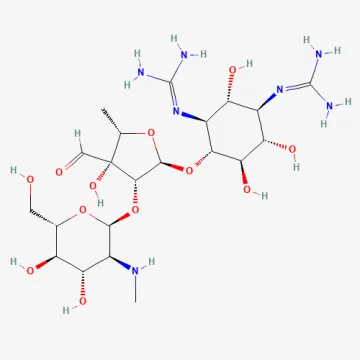
Streptomycin
Description
Mode of action
Streptomycin is an aminoglycoside antibiotic derived from the bacterium Streptomyces griseus. In agricultural practices, it serves as a potent bactericide used to manage bacterial infections that threaten crop yields.
The mechanism of action involves the inhibition of protein synthesis by binding to the 30S ribosomal subunit of bacteria. This action disrupts the translation of mRNA, preventing the synthesis of proteins vital for bacterial survival.
Once applied, streptomycin exhibits systemic properties. It can be absorbed by plant tissues and translocated through the vascular system, providing protection to new plant growth against systemic bacterial invasions.
This substance is highly selective, focusing its action on the cellular machinery of prokaryotes. It effectively arrests the development of bacterial colonies within infected tissues, stopping the progression of the disease.
It is important to note that streptomycin is ineffective against fungal pathogens, viral diseases, or insect pests. Its use must be strictly targeted toward diagnosed bacterial threats to avoid unnecessary application.
What it targets
Streptomycin is utilized primarily to control various bacterial diseases that affect a broad range of agricultural and horticultural crops, including fruit trees, vegetables, and ornamental plants.
It is a standard treatment for bacterial fire blight caused by Erwinia amylovora, which represents a major threat to apple and pear orchards worldwide, capable of devastating entire plantations.
Furthermore, it is used to manage other significant bacterial diseases such as bacterial spot on tomatoes and peppers, halo blight on beans, and various soft rot infections in root crops.
The substance is also effective against bacterial wilts caused by specific soil-borne or vascular bacteria that restrict water and nutrient transport within the host plant.
By preventing the spread of these pathogens, streptomycin plays a critical role in integrated disease management programs, especially when environmental conditions favor bacterial outbreaks.
Rates and timing
Application rates for streptomycin depend heavily on the target crop, the severity of the infection, and the growth stage of the plants. Standard concentrations are carefully regulated to maximize efficacy while minimizing residues.
Preventive application is often the most effective strategy. In orchards, spraying is typically focused on the bloom period, when flowers provide a natural point of entry for bacterial pathogens.
Treatment intervals should be strictly followed to prevent the development of resistance. Repeated applications, if necessary, are usually spaced according to local agricultural extension service recommendations.
When mixing with other agrochemicals, users should be aware of potential pH sensitivities. Extreme pH levels can lead to the degradation of the antibiotic molecule, thereby reducing its biological activity.
Proper coverage is essential for systemic action. Using calibrated spraying equipment ensures that the antibiotic is evenly distributed across the plant's surface, allowing for optimal uptake through leaves and shoots.
Restrictions
A major concern regarding streptomycin is the emergence of antibiotic-resistant bacterial strains. Frequent or sub-lethal dosing can exacerbate this risk, limiting the long-term effectiveness of the product.
Environmental regulations regarding antibiotic use in agriculture are stringent. Many regions restrict its application due to concerns about the potential transfer of resistant genes into human and animal pathogens.
Strict pre-harvest intervals must be adhered to. The presence of antibiotic residues on fresh produce is a regulatory concern, and compliance is essential to ensure food safety and meet export requirements.
Workers should wear appropriate protective equipment, including gloves and masks, to prevent skin contact and inhalation. As an antibiotic, it can cause hypersensitivity reactions in some individuals.
Disposal of unused product and empty containers must follow local hazardous waste regulations to prevent environmental contamination, particularly in soil and water systems.
Status in the European Union
Not approved in the EU
- CAS number
- 57-92-1
- Category (EU)
- BA - Bactericide
EU status is for reference only and does not replace national registration in your country.