

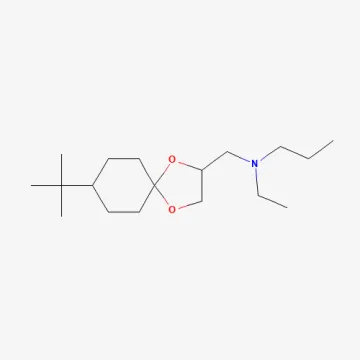
Description
Mode of action
Spiroxamine is a systemic fungicide belonging to the spiroketalamine chemical class. It is widely used in modern agriculture to protect key crops from various fungal infections.
The primary mechanism of action involves the inhibition of ergosterol biosynthesis. By disrupting the formation of sterols, the chemical destabilizes the fungal cell membrane, leading to the death of the pathogen.
One of the key advantages of spiroxamine is its rapid penetration into plant tissues, allowing for effective protection even under cool weather conditions.
The compound offers both curative and preventative properties, effectively halting the spread of spores and reducing the overall disease pressure in the field.
It also functions as an adjuvant, which enhances the efficacy of other pesticides when applied in tank mixtures by improving uptake through the plant's cuticle.
What it targets
Spiroxamine is highly active against a variety of fungal pathogens, particularly those causing powdery mildew in various agricultural systems.
It is predominantly used on cereal crops such as wheat, barley, and rye to manage outbreaks of powdery mildew and rusts effectively.
In viticulture, spiroxamine is a standard tool for the management of grapevine powdery mildew (oidium), protecting both foliage and clusters.
The substance is effective against several species of ascomycetes and basidiomycetes, making it a versatile option in Integrated Pest Management (IPM) programs.
- Powdery mildew of cereals.
- Rust diseases (brown and yellow rust).
- Grapevine oidium.
- Net blotch in barley.
Rates and timing
Application rates for spiroxamine depend heavily on the target crop, the level of infection present, and the specific growth stage of the plants.
In cereals, applications are typically timed for the tillering or stem elongation stages when the initial signs of disease are detected.
Vineyard applications should be planned according to the disease cycle, targeting periods when berries are most susceptible to infection.
Proper coverage is essential; the application should ensure that all parts of the leaf surface are treated to allow for sufficient systemic absorption.
Farmers must strictly follow the label directions regarding pre-harvest intervals (PHI) to ensure the safety and quality of the final agricultural product.
Restrictions
Spiroxamine is considered moderately toxic and must be handled with appropriate care. Personnel must wear personal protective equipment during mixing and application.
It is critical to avoid contamination of waterways and prevent drift into areas frequented by bees, as the substance poses risks to aquatic organisms and pollinators.
Resistance management is vital; users should alternate spiroxamine with fungicides of different modes of action to prevent the development of resistant strains.
Applications should be avoided during extreme temperature spikes or high wind speeds to ensure environmental safety and maximize product performance.
Storage should be conducted in secure, ventilated, and dry facilities, keeping the product in original packaging away from children and unauthorized access.
Content graph
Connections · Spiroxamine
Most often together:
Marketplace


