
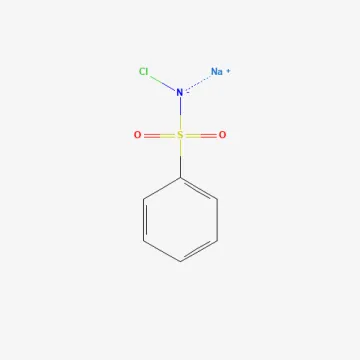
Chloramine B
Description
Mode of action
Chloramine B belongs to the group of organochlorine compounds, which possess strong antiseptic and disinfecting properties. In agricultural practice, it is valued for its ability to release active chlorine, which is a powerful oxidizing agent.
The mechanism of bactericidal action involves the denaturation of protein molecules within microorganisms. Oxidative processes destroy cell membranes and the enzymatic systems of pathogens, leading to their rapid destruction.
The product effectively suppresses the growth of vegetative forms of pathogenic bacteria, viruses, and fungi. Its action is predominantly contact-based, so its effectiveness depends on the quality of surface treatment.
Unlike many aggressive chlorine-based agents, Chloramine B acts more gently and stably. It persists on surfaces longer, providing a prolonged disinfecting effect.
The activity of the substance depends directly on the acidity of the medium. Maximum efficiency is achieved by strictly adhering to the concentration of working solutions prepared with clean water.
What it targets
The primary use of Chloramine B in agronomy is for preventive disinfection. It is applied to treat glass and plastic greenhouses, hotbeds, and conservatories after harvest.
The substance is highly effective against phytopathogens that survive on the structures of protected cultivation facilities. It helps combat bacterial rot, molds, and viral particles.
The product is used to disinfect agricultural implements, pruning tools, harvest storage containers, and staff protective clothing. This is a crucial element of biosecurity.
Chloramine B is used for flushing drip irrigation systems to remove biofilms and mineral deposits where harmful microorganisms can thrive.
Treating vegetable storage facilities (vegetable warehouses) is also a common practice, which prevents the development of rot during the long-term storage of produce.
Rates and timing
Working solutions must be prepared immediately before use. The standard concentration for the sanitary treatment of structures ranges from 0.5% to 1.0% by active ingredient.
For disinfecting tools, higher concentrations are often used, up to 2% or 3%. The tools should be soaked in the solution for a specific period to ensure complete contact.
During greenhouse disinfection, the solution is applied via spraying or wiping surfaces. It is important to ensure uniform wetting of all structural elements, including cracks and joints.
After disinfection, the facility must be thoroughly ventilated. When treating containers, rinsing with clean water is necessary after the exposure time is complete.
Work schedules should be planned in advance: it is best to perform disinfection when no crops are vegetating in the greenhouse to avoid inhaling chlorine vapors.
Restrictions
Chloramine B is a chemically active substance that requires careful handling. Personal protective equipment for respiratory organs, skin, and eyes must be worn during use.
It is strictly prohibited to mix Chloramine B with acids, as this leads to the intense release of toxic chlorine gas, which is hazardous to humans and plants.
The product may cause corrosion in certain metals with prolonged exposure. It is recommended to rinse metal tools with water after the disinfection cycle is complete.
Do not allow concentrated solutions to enter soil or water bodies, as this may disrupt the microbiological balance and negatively affect beneficial microflora.
Store the substance in a tightly sealed container, in a dry and dark place, away from direct sunlight, as exposure to light may reduce the activity of the compound.
Status in the European Union
Not approved in the EU
- Category (EU)
- BA - Bactericide
EU status is for reference only and does not replace national registration in your country.