

Atonik Plus
«Аріста ЛайфСайенс С.А.С.» , Франція
Plant Growth Regulator
0
0
·
88
4 offers
6.63 €per 1 l
Buy
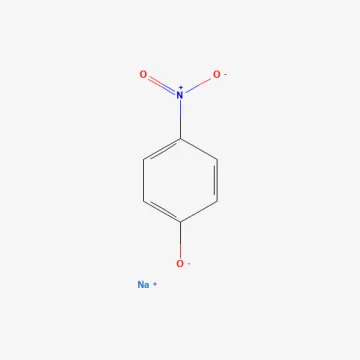
Sodium para-nitrophenolate is a synthetic plant growth regulator belonging to the phenolic group. It acts as a bio-stimulant that quickly absorbs into plant tissues to optimize metabolic functions.
The substance activates cellular respiration and accelerates the synthesis of essential proteins and nucleic acids. This activity enhances the movement of cytoplasm and promotes more efficient nutrient uptake from the soil.
A key feature of this group is its strong anti-stress capacity. It helps plants recover rapidly from environmental pressures, such as drought, sudden frosts, or phytotoxic damage from herbicides.
By increasing enzyme activity, the compound boosts the plant's internal defense systems, ensuring that growth does not stagnate during critical development stages.
It improves the transport of sugars and metabolites to the reproductive organs, which leads to better fruit setting, uniform ripening, and increased overall biomass of the harvested product.
Sodium para-nitrophenolate is applied to a wide range of crops, including cereals, industrial crops, vegetables, and fruit-bearing trees, to manage growth and enhance yield potential.
On grain crops, it promotes better tillering and improves spike development, helping to mitigate the negative effects of harsh weather conditions on plant density.
In vegetable production, it is widely used for crops like tomatoes and cucumbers to enhance flowering, improve fruit set, and accelerate the maturation process.
For fruit orchards, the compound is utilized to reduce flower and fruit drop, resulting in a more consistent harvest even in years with unpredictable climatic conditions.
It is commonly used as a synergistic additive in foliar fertilizer mixes, improving the overall assimilation of micronutrients applied during the vegetative stage.
Application timing is critical and is usually aligned with key phenological phases such as early growth, budding, and the fruit filling stage to maximize physiological response.
Dosage rates are typically very low, requiring precise calibration of spraying equipment to ensure an even distribution of the active substance across the leaf surface.
Foliar application should be conducted during morning or evening hours to avoid high solar radiation and temperature extremes, ensuring optimal absorption by the plant cuticle.
For seed treatments, the substance is used in dilute concentrations to stimulate germination energy and ensure uniform seedling emergence in varying soil environments.
The frequency of application is usually limited to a few times per season to maintain a steady and healthy growth rate without over-stimulating the plant's resources.
The primary constraint is strict adherence to recommended concentrations. Excess dosage can lead to growth inhibition, damaging the crop instead of stimulating it.
Compatibility with other agrochemicals must be tested before tank mixing, especially with highly alkaline pesticides, to prevent chemical degradation or precipitation.
Standard personal protective equipment is required during handling to prevent skin and eye contact, as these compounds are active chemicals requiring careful management.
The prepared working solution should be used promptly, as its efficacy may decrease if left standing for extended periods after dilution.
Storage must be in a cool, dry, and well-ventilated area, away from direct sunlight, children, and livestock, to maintain the chemical integrity of the product.
Approved in the EU
EU status is for reference only and does not replace national registration in your country.
