
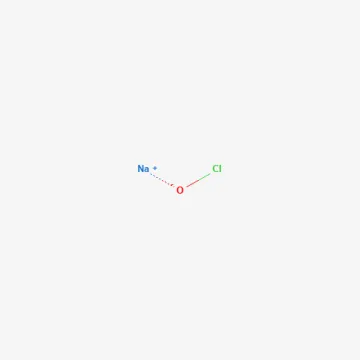
Sodium hypochlorite
Description
Mode of action
Sodium hypochlorite belongs to the group of inorganic compounds characterized by strong oxidizing properties. In agricultural practice, it is classified as a broad-spectrum disinfectant and antiseptic agent.
The mechanism of action is based on the irreversible oxidation of pathogen cellular structures. Released active chlorine destroys proteins, enzymes, and nucleic acids within microorganism cells, leading to their rapid destruction.
Products based on sodium hypochlorite act primarily through contact. They do not possess systemic activity within plant tissues, therefore their main application is the sanitation of surfaces and the external environment.
High activity is observed against a wide range of bacteria, fungi, and viruses. Efficiency depends directly on the concentration of active chlorine in the working solution and the exposure time.
When in contact with organic debris, the effectiveness of the active ingredient decreases, as the oxidizer is consumed in reactions with secondary organic substrates.
What it targets
Sodium hypochlorite is used to combat a complex of phytopathogens present on surfaces of structures and equipment. It is effective against agents of bacterial spot, powdery mildew, and late blight.
In plant cultivation, it is often used for surface disinfection of seed material. This helps reduce the initial infection pressure before placing seeds for germination or sowing.
The agent is essential for disinfecting greenhouse complexes, including frames, glazing, irrigation systems, and hydroponic installations, preventing pathogen accumulation in protected ground.
The product is used for the disinfection of warehouses, vegetable storage facilities, and shipping containers, which significantly reduces produce losses from rots during long-term storage.
Additionally, the substance is used for short-term localized soil treatment to suppress the activity of soil-borne pathogens before planting crops.
Rates and timing
Concentrations of sodium hypochlorite working solutions vary from 0.5% to 5% depending on the specific application goals. Stronger formulations are typically used for facility disinfection.
When treating seeds, weak solutions are used with an exposure time of 5 to 15 minutes, after which the material must be thoroughly rinsed with clean water to prevent embryo damage.
Exposure time for surface sanitation should be at least 30-60 minutes. After treatment, surfaces must be thoroughly ventilated and rinsed with water.
Working solutions should be prepared immediately before use, as the active ingredient decomposes rapidly when exposed to light and air.
The frequency of treatments is regulated by the internal protocols of the agricultural enterprise during the intervals between crop growth cycles.
Restrictions
Sodium hypochlorite has high corrosive activity towards metals. Caution must be exercised when working with machinery and metal structures to prevent damage.
The substance can cause phytotoxicity upon direct contact with green parts of growing plants. Spraying growing crops with this substance is prohibited.
Personal protective equipment for the respiratory tract, skin, and eyes must be used when applying the product, as chlorine vapors are irritating to mucous membranes.
Mixing sodium hypochlorite with acids or other chemical agents is strictly prohibited, as this results in the release of toxic chlorine gas.
The product must be stored in a dark, cool place in an airtight container, away from direct sunlight and heat sources.
Status in the European Union
Not approved in the EU
- CAS number
- 7681-52-9
- Category (EU)
- BA - Bactericide
- Approved from
- 01.09.2009
- Approval until
- 31.08.2019
- ADI
- 0.15 mg/kg bw/day
- ARfD
- Not appl.
- AOEL
- 0.06 mg/kg bw/day
EU status is for reference only and does not replace national registration in your country.