
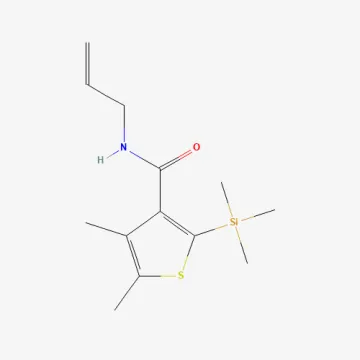
Description
Mode of action
Silthiofam is a systemic fungicide belonging to the pyrimidinyl-ethyl-sulfonamide chemical class. It is specifically designed to provide targeted protection against soil-borne fungal pathogens affecting the roots of cereals.
The mode of action involves the inhibition of the succinate dehydrogenase enzyme within the fungal respiratory chain. By disrupting this energy-producing pathway, the compound effectively halts mycelial growth and prevents the pathogen from colonizing the roots.
This active substance is characterized by high selectivity. It targets the fungal metabolism while showing a high safety profile for the germinating seeds and seedlings, ensuring proper crop establishment.
Silthiofam creates a protective zone around the seed and the emerging root system. This barrier prevents the fungus from entering the plant tissues during the most critical period of early development.
Due to its systemic properties, the active ingredient remains effective for several weeks, providing prolonged protection against soil-borne inoculum present in the field.
What it targets
The primary target of silthiofam is the take-all disease caused by the fungus Gaeumannomyces graminis var. tritici. This disease is one of the most significant threats to wheat and other small grain yields globally.
The pathogen thrives in continuous cereal cropping systems where inoculum levels accumulate in the soil and on crop residues over time, making preventive measures essential.
Silthiofam significantly reduces the incidence of root lesions and prevents the late-season symptom known as "whiteheads," which occurs when the root system is too damaged to support grain filling.
While primarily used for wheat, the fungicide is also relevant for other cereals that are susceptible to specialized root rot complexes occurring in early growth stages.
- Take-all disease (Gaeumannomyces graminis).
- Early-season root rot infections.
- Reduced seedling vigor due to soil-borne pathogens.
Rates and timing
Silthiofam is strictly formulated for seed treatment. It is applied to the seeds before sowing, usually in combination with other active ingredients to form a broad-spectrum protective coating.
The application rate is strictly defined by the manufacturer based on seed weight and the expected disease pressure in the region. Consistent application across all seeds is crucial for achieving the desired efficacy.
The treatment is performed using professional seed treatment equipment to ensure uniform coverage. Once treated, seeds can be stored under appropriate conditions until the planting season begins.
Effective control depends on the correct dosage. Farmers should ensure that the treatment process is carried out in a controlled environment to minimize exposure and maximize distribution on the seed surface.
It is important to note that silthiofam acts as a preventive measure; therefore, it must be applied before the pathogen gains a foothold in the root system.
Restrictions
The main limitation is the narrow spectrum of silthiofam. Because it is highly specific to Gaeumannomyces graminis, it does not provide adequate control against other common seed-borne and soil-borne diseases like Fusarium or Helminthosporium.
Consequently, it must be used as a component of a mixture with other fungicides to provide a comprehensive shield for the seeds during the early stages of development.
Users must follow stringent safety protocols when handling the substance, including the use of personal protective equipment (PPE), as it is a potent chemical compound.
Proper disposal of leftover solutions is required to avoid contamination of water sources and the surrounding ecosystem, strictly following local environmental regulations.
Storage should be handled in compliance with official pesticide management guidelines, keeping the product in its original, sealed packaging in a cool and well-ventilated area.
Regulatory
Status in the European Union
Approved in the EU
- CAS number
- 175217-20-6
- Approved from
- 01.07.2018
- Approval until
- 30.06.2033
- ADI
- 0.05 mg/kg bw/day
- ARfD
- 0.2 mg/kg bw
- AOEL
- 0.1 mg/kg bw/day
EU legislation
EU status is for reference only and does not replace national registration in your country.
Reference
Connections · Silthiofam
Most often together:
Marketplace