

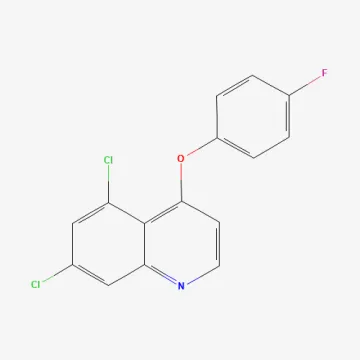
Description
Mode of action
Quinoxyfen belongs to the quinoline chemical class and functions as a specialized fungicide with strong protective and preventative properties.
The mode of action involves the inhibition of the pathogen's signal transduction, which prevents the formation of appressoria and subsequent infection of plant tissues.
As the active ingredient has little to no curative effect, it is essential to apply the product before the onset of infection or during the very early stages of disease development.
A key feature of quinoxyfen is its ability to redistribute via the vapor phase, which allows the chemical to reach untreated areas of the plant canopy.
The compound demonstrates excellent wash-off resistance once the spray deposit has dried, ensuring reliable protection even under unstable weather conditions.
What it targets
Quinoxyfen is primarily utilized for the control of powdery mildew diseases across a wide range of agricultural and horticultural crops.
It provides high efficacy against Erysiphe graminis in cereal crops, such as wheat and barley, protecting the photosynthetic leaf area from damage.
In viticulture, it is a key tool for managing powdery mildew (oidium), helping to prevent fungal colonization on leaves, shoots, and grape clusters.
The substance is also effectively used in vegetable production, particularly for protecting cucurbits like cucumbers against powdery mildew in both greenhouse and field conditions.
With a residual protective effect lasting up to 21 days, it significantly helps in reducing the total number of applications needed throughout the growing season.
Rates and timing
Recommended dosage rates generally range from 0.15 to 0.4 liters per hectare, depending on the crop species and the severity of the disease pressure.
Applications should be timed to correspond with key growth stages or the initial appearance of symptoms on the lower foliage of the crop.
For optimal performance, it is crucial to ensure thorough coverage of all vegetative organs, especially in dense vineyard canopies or thick crop stands.
The product is typically compatible with most common fungicides in tank mixes, which allows for broader control spectrums and resistance management strategies.
Growers should limit the total number of applications per season to avoid the selection pressure that leads to resistance in fungal populations.
Restrictions
The primary concern with repeated use is the development of resistance; therefore, rotation with fungicides having different modes of action is mandatory.
The active substance is toxic to aquatic organisms, and strict precautions must be taken to prevent drift into water bodies or drainage systems.
Personnel must use appropriate personal protective equipment (PPE), including skin and respiratory protection, during the mixing and application process.
Strict adherence to pre-harvest intervals (PHI) and restricted entry intervals (REI) is required to ensure consumer safety and worker protection.
Storage must be maintained in original, labeled containers within a cool, dry, and secure area away from food, feed, and unauthorized personnel.
Regulatory
Status in the European Union
Not approved in the EU
- CAS number
- 124495-18-7
- Category (EU)
- FU - Fungicide
- Approved from
- 01.09.2004
- Approval until
- 27.12.2018
- ADI
- 0.2 mg/kg bw/day
- ARfD
- Not appl.
- AOEL
- 0.14 mg/kg bw/day
Hazard classification (CLP)
Aquatic Acute 1 - H400Aquatic Chronic 1 - H410Skin Sens. 1 - H317
EU legislation
EU status is for reference only and does not replace national registration in your country.
Content graph
Connections · Quinoxyfen
Most often together:
Marketplace
Products · 3

Princip 90SC
Доу АгроСайенсіс, Кінг’з-Лінн, Великобританія
Fungicides
0
0
·
48
2 offers
1.74 €per 1 l
Buy
