

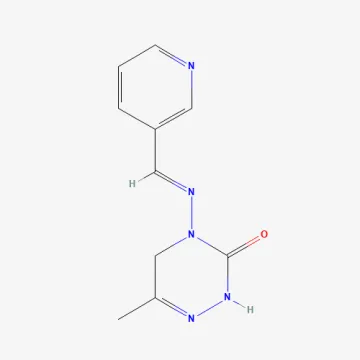
Description
Mode of action
Pymetrozine is a highly specialized systemic insecticide belonging to the pyridine azomethine chemical class. It is widely recognized for its unique mode of action which targets specific behavioral patterns of sucking insects.
Upon ingestion or contact, pymetrozine disrupts the insect's nervous system, specifically paralyzing the muscles responsible for feeding. This causes an immediate and irreversible cessation of feeding activity.
Insects do not die immediately upon contact; instead, they stop feeding within minutes and subsequently die from starvation within a few days. This mechanism is highly effective against resistant populations of pests.
The substance exhibits excellent translaminar movement within the leaf tissue, which protects both the upper and lower surfaces of the treated foliage.
Due to its high selectivity, it does not harm beneficial predatory insects and pollinators, making it an ideal choice for Integrated Pest Management (IPM) programs.
What it targets
Pymetrozine is primarily used to control a wide range of sucking insects, particularly those belonging to the Homoptera order.
The primary targets include all major species of aphids, which are common pests on vegetable, ornamental, and field crops.
Furthermore, it is highly effective against whiteflies, including the greenhouse whitefly, as well as leafhoppers and other plant-sucking insects that transmit viral diseases.
Rates and timing
Application rates depend on the specific crop and pest pressure. Generally, the product is applied at rates ranging from 200 to 400 grams of the active ingredient per hectare.
It is recommended to apply the insecticide when pest populations first appear to prevent widespread damage and reduce the need for repeat treatments.
Proper calibration of spraying equipment is essential to ensure full coverage and maximum absorption of the systemic agent into the plant tissue.
Restrictions
Pymetrozine is classified as having low mammalian toxicity, making it safer for handlers compared to many traditional organophosphate insecticides.
Despite its safety profile, standard laboratory and field safety precautions should be followed, including the use of protective gloves, goggles, and appropriate clothing.
Users must adhere to local regulations regarding pre-harvest intervals (PHI) to ensure that the produce is safe for consumption and meets international residue standards.
Regulatory
Status in the European Union
Not approved in the EU
- CAS number
- 123312-89-0
- Category (EU)
- IN - Insecticide
- ADI
- 0.03 mg/kg bw/day
- ARfD
- 0.1 mg/kg bw
- AOEL
- 0.03 mg/kg bw/day
Hazard classification (CLP)
Aquatic Chronic 3 - H412Carc. 2 - H351
EU legislation
EU status is for reference only and does not replace national registration in your country.
Content graph
Connections · Pymetrozine
Most often together:
Marketplace