

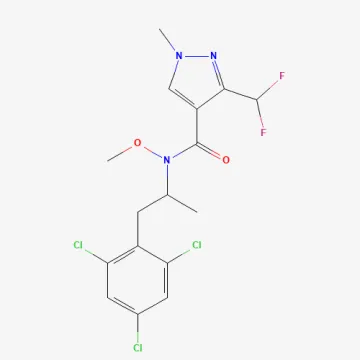
Description
Mode of action
Pydiflumetofen is a potent active ingredient belonging to the pyrazole-carboxamide chemical class. It is classified under the FRAC code 7 as a succinate dehydrogenase inhibitor (SDHI).
The primary mechanism of action involves the inhibition of the mitochondrial respiration process in fungi. By binding to the succinate dehydrogenase enzyme (Complex II), it effectively disrupts energy production within the fungal cells.
This molecule possesses exceptional lipophilic properties, enabling rapid absorption into plant leaf tissues upon application, which enhances its overall systemic efficacy.
A unique feature of pydiflumetofen is its high affinity for the plant's waxy cuticle. This allows the compound to create a reservoir of protection that is highly resistant to wash-off from rainfall.
The substance provides a robust dual-action benefit, offering both preventative and curative control against a wide array of fungal pathogens during their critical growth phases.
What it targets
Pydiflumetofen is specifically designed to combat a diverse spectrum of fungal diseases, primarily within the Ascomycetes and Basidiomycetes phyla.
It is widely utilized for the control of foliar diseases such as leaf spots, powdery mildew, rusts, and complex blotch diseases that affect various cereals, fruits, and vegetables.
The chemical is highly effective against challenging pathogens like Septoria, Alternaria, and various types of Fusarium, which can cause significant yield degradation.
Furthermore, pydiflumetofen demonstrates superior performance against pathogen strains that have developed resistance to traditional fungicide classes like strobilurins and triazoles.
By effectively managing these diseases, the application of this ingredient ensures healthier crop development and improved quality of the harvested produce.
Rates and timing
Application rates for pydiflumetofen are determined by the specific crop type, the existing disease pressure, and the intended duration of protective coverage required.
It is recommended to apply the fungicide as a foliar spray using standard agricultural equipment, ensuring comprehensive coverage of all susceptible plant parts.
The timing of application should ideally align with the early onset of disease symptoms or based on integrated pest management (IPM) monitoring systems.
Agronomists should adjust volumes to maintain sufficient coverage while ensuring that the concentration of the active ingredient remains within the prescribed safety guidelines.
Pre-harvest intervals (PHI) must be strictly followed to ensure that the chemical residues on the crop are within the maximum residue levels established by regulatory authorities.
Restrictions
Personnel handling pydiflumetofen must wear appropriate personal protective equipment (PPE) to minimize exposure through skin contact or inhalation.
Users must adhere to all local regulations regarding buffer zones near waterways and ecological sites to prevent environmental contamination and protect non-target species.
To mitigate the risk of resistance development, it is vital to practice fungicide rotation, alternating with active ingredients that possess different modes of action.
Before mixing pydiflumetofen with other pesticides or fertilizers in a tank mix, a physical compatibility test should be conducted to ensure stability and effectiveness.
Storage must occur in a secure, climate-controlled facility, ensuring that the product remains in its original packaging and away from children, livestock, and food supplies.
Regulatory
Status in the European Union
Pending
- CAS number
- 1228284-64-7
- Category (EU)
- FU - Fungicide
EU status is for reference only and does not replace national registration in your country.
Content graph
Connections · Pydiflumetofen
Most often together:
Marketplace
Products · 5


