
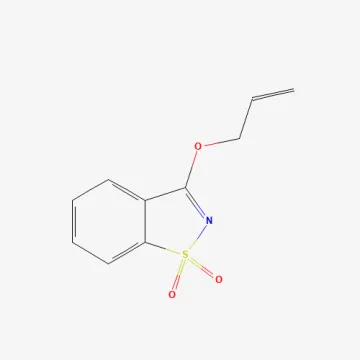
Probenazole
Description
Mode of action
Probenazole is a member of the benzisothiazole chemical class, primarily utilized as a plant defense activator rather than a direct contact fungicide.
It operates by inducing Systemic Acquired Resistance (SAR) in plants, triggering the biological pathways responsible for the production of pathogenesis-related proteins.
By activating these natural defensive mechanisms, the substance renders the plant tissue resistant to fungal penetration and subsequent mycelial colonization.
The compound is absorbed by the roots or leaves and exhibits systemic properties, moving throughout the plant to provide comprehensive protection.
Because it acts indirectly by strengthening the plant's internal immunity, it remains effective even against strains that have developed resistance to traditional fungicides.
What it targets
Probenazole is primarily applied in rice cultivation to manage serious fungal infections, most notably rice blast (Pyricularia oryzae).
It provides an essential layer of protection for rice crops, preventing both leaf blast and panicle blast, which can severely impact grain quality and yield.
Beyond its efficacy against fungal pathogens, it also exhibits activity against specific bacterial diseases of rice, offering a broader spectrum of protection.
The use of this substance helps maintain the health of the crop during the most vulnerable vegetative stages, ensuring robust development.
It is particularly valued in integrated pest management programs where sustainable disease control and reduction of heavy chemical pressure are prioritized.
Rates and timing
The application rates of Probenazole are determined by the specific formulation used and the regional agricultural practices for rice production.
Applications are typically scheduled preventively before the onset of conditions favorable for disease development or at early stages of infection.
Treatment methods include both foliar spraying and direct soil/water application in flooded fields, depending on the stage of the rice plant.
Adherence to recommended timing is crucial, as the activation of the plant's immune system requires time to manifest fully before a pathogenic attack.
Field specialists should determine the frequency of use based on historical infection levels and current meteorological data affecting the crop.
Restrictions
Handling Probenazole requires strict adherence to safety protocols, including the use of appropriate personal protective equipment during mixing and spraying.
Given its use in flooded paddy fields, environmental precautions are necessary to prevent the chemical from entering adjacent water bodies or irrigation channels.
Storage must be done in a cool, dry place, keeping the substance out of reach of children and ensuring no contamination with food or animal feed.
Disposal of unused product or empty containers should follow local environmental regulations to prevent soil and water contamination.
Consult the official product label and regional agricultural guidelines before each application to ensure compliance with local regulations and safety standards.
Status in the European Union
Not approved in the EU
- CAS number
- 27605-76-1
- Category (EU)
- BA - Bactericide
EU status is for reference only and does not replace national registration in your country.