

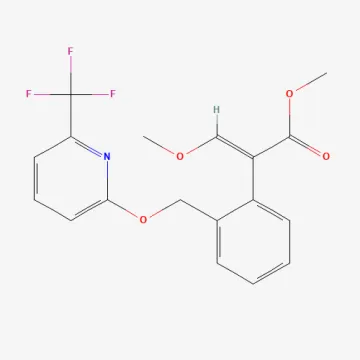
Description
Mode of action
Picoxystrobin belongs to the strobilurin chemical class. This substance affects pathogenic fungi by inhibiting the mitochondrial respiration of the pathogen's cells.
The active ingredient blocks electron transport in the cytochrome complex, leading to a complete cessation of ATP synthesis in the fungal cells. As a result, the pathogen loses its energy source and dies.
A key feature of picoxystrobin is its high systemic activity. It is capable of moving acropetally through plant tissues and also possesses unique translaminar properties.
Furthermore, this substance is characterized by its ability to create a gaseous phase. This allows the active ingredient to redistribute to untreated parts of the plant and neighboring leaves, ensuring protection even with uneven spray coverage.
The substance has a positive physiological effect on crops, slowing down leaf aging processes and extending the photosynthesis period, which contributes to higher yields.
What it targets
Picoxystrobin is used to protect a wide range of agricultural crops, including cereals (wheat, barley), soybeans, rapeseed, and sunflowers.
It effectively combats major pathogens causing leaf and stem spot diseases, rust fungi, and powdery mildew.
Specifically, fungicides based on this substance are active against septoria, helminthosporiosis, tan spot, and various types of rust, including brown and yellow rust.
The preparations effectively control cercospora and ascochyta blight in legume crops.
High efficacy is observed during preventative applications, as well as upon the appearance of the first visual signs of infection in the fields.
Rates and timing
Application rates vary depending on the specific crop, the level of disease pressure, and the plant's growth stage.
Standard dosages typically range from 0.3 to 0.7 liters of the product per hectare, based on the active ingredient concentration and specific manufacturer regulations.
Applications are recommended during periods of active crop growth, most commonly starting from the stem elongation phase up to the flowering stage in cereals.
When working with soybeans or sunflowers, the focus is on applications at the beginning of the flowering period to prevent head and leaf infections.
It is crucial to ensure high-quality coverage of the leaf surface with the working solution, making the use of professional spraying equipment mandatory.
Restrictions
When handling picoxystrobin, it is essential to strictly follow safety protocols, including the use of personal protective equipment for the skin, respiratory tract, and eyes.
The product can be toxic to aquatic flora and fauna; therefore, applications in water protection zones and near water bodies are strictly prohibited.
To prevent the development of pathogen resistance, it is recommended to rotate picoxystrobin with fungicides of different chemical classes that have alternative mechanisms of action.
Application is not recommended during intense sunlight or when wind speeds exceed 5 meters per second to minimize spray drift.
Always adhere to the established pre-harvest intervals specified in the usage regulations for each individual crop.
Regulatory
Status in the European Union
Not approved in the EU
- CAS number
- 117428-22-5
- Category (EU)
- FU - Fungicide
- Approved from
- 01.01.2004
- Approval until
- 31.08.2017
EU legislation
EU status is for reference only and does not replace national registration in your country.
Content graph
Connections · Picoxystrobin
Most often together:
Marketplace
Products · 9


Akanto Plyus
«Дюпон Інтернешнл Оперейшнз Сарл», Швейцарія
Fungicides
0
0
·
42
28 offers
7.24 €per 1 l
Buy
