

Description
Mode of action
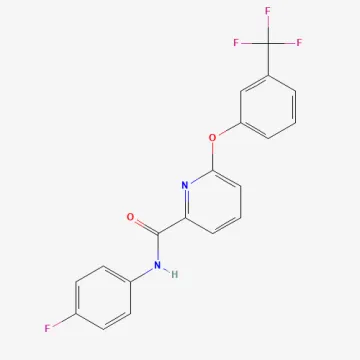
Picolinafen belongs to the pyridinecarboxamide chemical class. It is a systemic, selective herbicide that is absorbed primarily through the leaves and shoots of weeds, while also possessing some residual soil activity.
Its mode of action is based on the inhibition of the phytoene desaturase enzyme. This enzyme is crucial for the biosynthesis of carotenoids, which are pigments that protect chlorophyll from photo-oxidation caused by sunlight.
Without carotenoids, chlorophyll is rapidly oxidized, leading to bleaching (chlorosis) of plant tissues, starting from young leaves and growth points. This process is commonly known as the bleaching effect.
As a result of disrupted photosynthesis, weeds cease growth almost immediately after uptake of the compound. Total necrosis occurs after a few weeks once the plant's energy reserves are depleted.
The product is highly effective even under adverse environmental conditions, as its biological activity is minimally dependent on soil moisture or temperature fluctuations within moderate ranges.
What it targets
Picolinafen is designed to control a broad spectrum of broad-leaved weeds found in cereal crops such as wheat and barley.
The most susceptible species include tough weeds such as cleavers (Galium aparine), common lambsquarters, various speedwell species, field pansy, and fumitory.
The herbicide demonstrates high efficacy against thistles and knotweed species, making it a critical component of weed management programs in intensive cereal production systems.
When used in tank mixtures, picolinafen significantly enhances the activity of other herbicides, providing a reliable barrier against resistant weed populations in the field.
- Galium aparine (Cleavers)
- Chenopodium album (Lambsquarters)
- Veronica spp. (Speedwell)
- Viola arvensis (Field pansy)
- Polygonum spp. (Knotweed)
Rates and timing
Application of picolinafen is typically planned during the early growth stages of weeds, specifically when they are at the cotyledon to four-leaf stage to achieve maximum efficacy.
Optimal timing usually coincides with the spring tillering phase of cereal crops, which allows for eliminating weed competition during a critical developmental stage of the crop.
The application rate depends on the weed spectrum and infestation density, generally ranging from 50 to 100 grams of active ingredient per hectare as part of formulated products.
Uniform coverage of the leaf surface during spraying is a key aspect, as the systemic nature of the compound requires thorough distribution of the spray solution.
The use of surfactants or adjuvants is recommended to increase the penetration of the herbicide through the waxy cuticle of weeds, especially in hot or dry conditions prior to application.
Restrictions
The product is not recommended for use on cereal crops undersown with legume forage, as picolinafen may exhibit high phytotoxicity to broad-leaved pasture components.
Drift of the spray solution onto neighboring fields with sensitive crops, such as sugar beets, oilseed rape, sunflowers, or vegetables, must be avoided due to the compound's high biological activity.
Personal protective equipment for skin, respiratory, and eye protection is mandatory during handling, as the substance can cause irritation upon direct contact.
Strict crop rotation guidelines must be followed, as residue levels of the active ingredient may affect the growth of sensitive crops in the following season if dosage recommendations are exceeded.
Storage must be maintained in the original packaging in dry, cool warehouse conditions, ensuring that children, animals, and direct sunlight are kept away from the product.
Regulatory
Status in the European Union
Approved in the EU
- CAS number
- 137641-05-5
- Approved from
- 01.11.2016
- Approval until
- 30.06.2031
- ADI
- 0.014 mg/kg bw/day
- ARfD
- 0.05 mg/kg bw
- AOEL
- 0.03 mg/kg bw/day
EU status is for reference only and does not replace national registration in your country.
Content graph
Connections · Picolinafen
Most often together:
Marketplace