
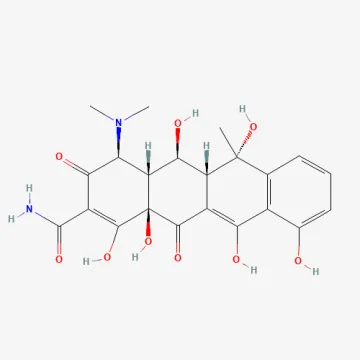
Oxytetracycline
Description
Mode of action
Oxytetracycline is a tetracycline antibiotic widely recognized in agriculture as a systemic bactericide. It serves as a vital tool for managing various bacterial phytopathogens that are often resistant to traditional copper-based chemicals.
The mode of action involves the inhibition of bacterial protein synthesis. By binding to the 30S ribosomal subunit, the substance prevents the attachment of aminoacyl-tRNA, effectively halting the growth of the bacterial population.
Its systemic nature allows it to move through the xylem of the plant, providing internal protection. This makes it particularly effective for treating infections that have already penetrated the plant tissues.
Oxytetracycline exerts a bacteriostatic effect, meaning it stops the replication of bacteria. This allows the plant's natural defense mechanisms more time to localize the infection and prevents systemic spread.
Because it is highly specific to prokaryotic organisms, oxytetracycline is largely ineffective against fungal or viral diseases. Proper diagnostic verification of the pathogen is therefore essential before application.
What it targets
The primary use of oxytetracycline is to combat fire blight (Erwinia amylovora) in pome fruits, such as apples and pears. It is one of the most effective strategies during blossom stages when the risk of infection is highest.
It is extensively used in vegetable production to control bacterial spots caused by Xanthomonas species, particularly in tomatoes, peppers, and cucumbers where yield quality is crucial.
The antibiotic is also utilized in viticulture to manage bacterial necrosis, helping to maintain the health and vigor of grapevines in regions prone to high humidity and bacterial outbreaks.
In ornamental horticulture, oxytetracycline is applied to treat bacterial wilts and rots in bulbous and rhizomatous plants, protecting valuable plant material in greenhouse settings.
Some applications extend to the management of vascular bacterial diseases in potato crops, where it helps in reducing the incidence of systemic infections that lead to tuber decay.
Rates and timing
Application rates are carefully calibrated based on the specific crop and the severity of the pressure. Formulations are typically applied at concentrations ranging from 100 to 500 ppm of active ingredient.
Timing is critical: applications are most effective as a preventive measure or at the very onset of symptom appearance. In fruit orchards, the timing is specifically synced with the blooming calendar.
The frequency of application must be managed strategically to prevent the development of antibiotic resistance. It is often recommended to rotate with other modes of action if available.
Treatment should be performed in accordance with the specific label guidelines to ensure that the chemical reaches the target tissues efficiently without leaving excessive residues.
Standard agronomic practices suggest monitoring weather patterns before application, as efficacy is optimized when the plant is actively transpiring to facilitate systemic uptake.
Restrictions
There are significant regulatory constraints regarding the use of oxytetracycline in agriculture due to concerns over human antibiotic resistance. Usage is strictly governed by local environmental and health authorities.
Applicators must prioritize safety by using personal protective equipment (PPE) including respirators, gloves, and eye protection to avoid inhalation or skin contact with the compound.
The compound is susceptible to photo-degradation. Applications are most successful when performed in the late afternoon or during cloudy weather to extend the stability of the active ingredient on plant surfaces.
It should not be tank-mixed with highly alkaline compounds, as these conditions trigger rapid chemical breakdown, rendering the bactericide ineffective for crop protection purposes.
Environmental management is essential to prevent runoff into aquatic ecosystems, where persistent exposure to antibiotics could negatively impact microbial balance in soil and water resources.
Status in the European Union
Not approved in the EU
- CAS number
- 79-57-2
- Category (EU)
- BA - Bactericide
- ADI
- 0.003 mg/kg bw/day
EU status is for reference only and does not replace national registration in your country.