
BIOINSECTICIDE «BIOSENZIB» SC
IMPERIAL GOLD TOBACCO, LLC
Insecticides
0
0
·
51
24 offers
2.18 €per 1 l
Buy
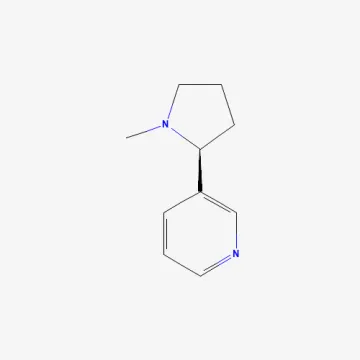
Nicotine belongs to the chemical class of pyridine alkaloids. It is a natural compound with pronounced insecticidal properties, which has been used for a long time in plant protection.
The mechanism of action of the substance is based on its ability to act as an agonist of nicotinic acetylcholine receptors (nAChR) in the insect nervous system. This leads to over-excitation of nerve impulses, paralysis, and subsequent death of pests.
Nicotine exhibits contact and stomach activity, rapidly penetrating through the chitinous cover or the digestive tract of the insect. The effect is systemic, allowing for the effective destruction of hidden-living individuals.
The substance decomposes rapidly under the influence of sunlight and atmospheric factors, which limits its persistence in the environment. This property requires strict adherence to treatment schedules to ensure constant crop protection.
Modern preparations based on nicotine derivatives (neonicotinoids) have significantly surpassed pure nicotine in stability, however, the basic principle of interaction with the receptor apparatus of the nervous system remains common to the group.
Nicotine is traditionally used for controlling a wide range of sucking and chewing pests that cause damage to vegetable, garden, and floral-ornamental crops in greenhouse and open-field conditions.
The main targets for treatment are aphids, thrips, psyllids, and some species of early-instar caterpillars. The substance effectively suppresses populations of insects that are resistant to other groups of insecticides.
Preparations based on nicotine exhibit high activity against insects that suck juices from plants, damaging tissues and spreading dangerous viral diseases.
In floriculture, this substance is often used for eradicating pests on greenhouse crops, where a rapid effect of suppressing insect colony growth is required.
Application rates of nicotine depend on the specific formulation and the type of crop being treated. It is important to strictly follow the manufacturer's recommendations to ensure harvest safety.
Treatments are usually carried out in the evening or early morning when there are no strong winds to minimize drift and prolong the contact time with the pest.
The interval between spraying varies from 7 to 14 days depending on the intensity of the infestation and weather conditions that affect the degradation rate of the active substance on the leaf surface.
When working in greenhouses, it is necessary to consider the temperature regime, as high temperatures accelerate nicotine volatility, which may change dosage efficiency.
Adherence to pre-harvest intervals — the time from the last treatment to harvest — is mandatory, as it is necessary for the complete metabolism of the substance in the plant and to ensure food safety.
Nicotine is a highly toxic compound for humans, warm-blooded animals, and bees. Consequently, its use is strictly regulated or prohibited in many countries.
When working with the preparation, the use of full personal protective equipment is required: respirators, safety goggles, gloves, and special clothing to prevent the substance from coming into contact with skin and the respiratory tract.
It is strictly prohibited to carry out treatments during periods of active flight of bees and other beneficial insects, as nicotine exhibits strong insecticidal activity against them.
Exceeding the number of treatments is not recommended, as this leads to the accumulation of residual amounts of the substance in marketable produce and accelerates the development of pest resistance.
When storing, it is necessary to isolate the preparation from food, drinking water, and prevent access by unauthorized persons and children due to the high danger of poisoning.
Not approved in the EU
EU status is for reference only and does not replace national registration in your country.