

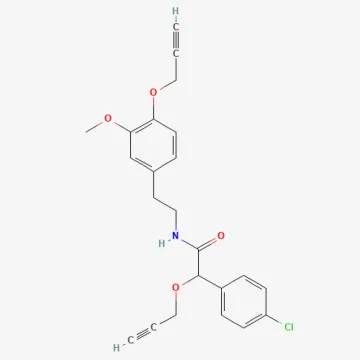
Description
Mode of action
Mandipropamid belongs to the chemical class of carboxylic acid amides (mandelamides subclass). It is a highly effective active ingredient with translaminar activity.
The primary mechanism is based on the inhibition of mycelial growth and the germination of pathogen zoospores. The substance actively blocks cellulose synthesis in the fungal cell walls.
A key feature is its high affinity for the wax layer of leaves. The product quickly "binds" to the plant surface, ensuring exceptional resistance to wash-off by rain.
The active ingredient is evenly distributed across the leaf surface, creating a robust protective shield. It prevents infection penetration even under high humidity conditions.
Mandipropamid possesses both preventive and anti-sporulant activity, preventing the further spread of fungal spores across the crop area.
What it targets
Products based on this substance are designed for the control of oomycetes. Primarily, this includes late blight (Phytophthora infestans) on potatoes and tomatoes.
The substance is also effective against downy mildew on onions, cucumbers, grapevines, and other vegetable crops.
Effectiveness is demonstrated even under high disease pressure, making it indispensable in integrated pest management programs.
The use of Mandipropamid allows for the effective containment of initial infection foci, preventing the disease from reaching an epiphytotic phase.
- Potatoes (late blight)
- Open and greenhouse tomatoes
- Onions (downy mildew)
- Grapes (mildew)
- Cucumbers and cucurbits
Rates and timing
Application rates depend on the specific formulation and crop, typically ranging from 0.4 to 0.6 liters (kg) of working solution per hectare.
Treatment timing is linked to the active growth stage of the crop and weather forecasts. Preventive applications yield the best results.
The interval between sprays is between 7 and 14 days, depending on the severity of infection and weather conditions favoring fungal development.
Thorough wetting of the leaf surface is mandatory to ensure an even distribution of the active ingredient.
The frequency of treatments per season is strictly regulated by the manufacturer to prevent the development of pathogen resistance.
Restrictions
Mandipropamid should not be applied more than 2-3 times per growing season. It is recommended to rotate it with fungicides of different chemical classes.
The product is considered low-toxicity to bees and beneficial entomofauna; however, direct entry into water bodies must be avoided due to risks to aquatic life.
When working in greenhouses, it is important to ensure proper ventilation after application to comply with occupational health standards.
Storage should take place in a dry, cool place, in the original packaging, away from food and animal feed.
The use of personal protective equipment (respirators, gloves, protective clothing) is mandatory when preparing working solutions.
Content graph
Connections · Mandipropamid
Most often together:
Marketplace


