

Description
Mode of action
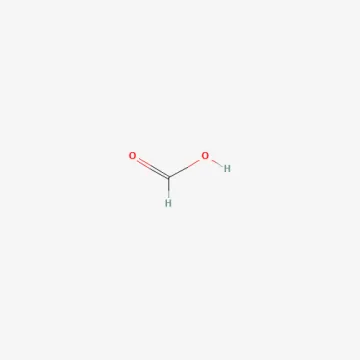
Formic acid (HCOOH) is the simplest carboxylic acid, widely used in agriculture and beekeeping for its antiseptic and toxic properties. It is highly valued for its volatility, which allows it to act as an effective fumigant in various agricultural settings.
The mechanism of action involves the inhibition of metabolic processes within the pests. When the vapors of formic acid enter the respiratory systems of mites or small insects, they disrupt cellular respiration, leading to paralysis and the eventual death of the target organisms.
A key advantage of formic acid is its ability to penetrate physical barriers. Its vapors can pass through the wax caps of honeycombs, making it one of the few treatments capable of affecting pests residing in sealed brood, where other conventional treatments often fail.
Classified as a contact and fumigant agent, formic acid is a natural metabolite. Upon exposure to the environment, it gradually decomposes into carbon dioxide and water, reducing the risk of long-term contamination in the agricultural environment.
Beyond its insecticidal efficacy, the acid exhibits antimicrobial and antifungal properties. It is frequently employed to sanitize equipment, storage areas, and hive components, significantly reducing the microbial load and preventing the spread of secondary infections.
What it targets
The primary agricultural use of formic acid is in beekeeping, where it serves as a crucial tool for controlling Varroa destructor mites, which are responsible for the widespread decline of honey bee health due to varroosis.
Furthermore, it helps suppress pathogens associated with bee diseases such as ascospherosis (chalkbrood) and nosemosis, creating a cleaner environment and improving the overall immunity of the bee colonies.
In post-harvest and warehouse management, formic acid is used to disinfect storage facilities, containers, and wooden pallets, effectively combating mold growth and bacterial contamination that threaten stored commodities.
It is also utilized to control certain small storage pests, helping to limit their reproduction and presence in grain storage areas or other agricultural warehouses without relying on harsher synthetic chemicals.
As an organic substance, it is favored in integrated pest management programs and organic farming practices, where minimizing the use of synthetic, persistent pesticides is a priority.
Rates and timing
Application rates and timing for formic acid are highly sensitive to ambient temperatures. The optimal performance is achieved within a temperature range of 10 to 25 degrees Celsius (50 to 77 degrees Fahrenheit).
In beekeeping, it is administered via specialized evaporators that release controlled amounts of the substance over several days. Precise monitoring is essential to avoid excessive concentrations that could harm the bees or the queen.
Treatments must be carried out only after the honey harvest season. Applying formic acid during the main nectar flow is strictly prohibited to ensure that no residues contaminate the honey intended for human consumption.
For surface disinfection, specific aqueous solutions are applied via spraying or wiping. Proper ventilation of the treated area is mandatory following the application until the pungent odor has completely dissipated.
The frequency of application is determined by the level of infestation. It is common to follow a structured cycle of treatments to ensure that emerging pests are addressed effectively as they become exposed during their life cycle.
Restrictions
Formic acid is a corrosive chemical that causes severe skin and eye burns. When handling the concentrate, it is essential to use appropriate personal protective equipment, including chemical-resistant gloves, safety goggles, and respirators.
Inhalation of concentrated vapors poses significant health risks. Therefore, all procedures involving this substance must be conducted in well-ventilated areas or outdoors to prevent respiratory irritation.
The substance is sensitive to light and heat. Storing it in direct sunlight or high temperatures can lead to rapid evaporation or potential hazardous pressure buildup in containers; always keep it in a cool, dark place in acid-resistant, sealed packaging.
Formic acid is highly corrosive to metals. It can damage agricultural machinery, metal tools, and hardware. After use, equipment must be cleaned or neutralized to maintain its integrity and prevent long-term damage.
Mixing formic acid with other disinfectants or pesticides should be strictly avoided unless specifically directed by technical guidelines, as uncontrolled chemical reactions may occur, leading to toxic byproducts.
Regulatory
Status in the European Union
Not approved in the EU
- CAS number
- 64-18-6
- Category (EU)
- IN - Insecticide
Hazard classification (CLP)
Skin Corr. 1A - H314
EU status is for reference only and does not replace national registration in your country.
Content graph
Connections · Formic acid
Most often together:
Marketplace