
BIONUR
ІХСАН ОРГАНІК ТАРІМ А.С. (IHSAN ORGANIC TARIM A.S.), Турція
Plant Growth Regulators
0
0
·
74
2 offers
0.09 €per 1 l
Buy
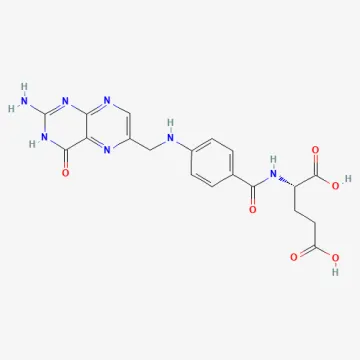
Folic acid (vitamin B9) is recognized in agronomy as a vital metabolic regulator and biological stimulant. It functions as a key coenzyme in essential biochemical pathways, including the synthesis of nucleic acids and amino acids.
The mode of action involves stimulating cell division in meristematic tissues. By enhancing protein synthesis, folic acid enables plants to utilize nitrogen and other nutrients more efficiently during periods of rapid growth.
Folic acid acts primarily as an antistressant. It helps plants synthesize adaptive hormones, which are necessary for recovery from abiotic stresses such as drought, extreme temperatures, and chemical exposure.
Unlike conventional pesticides, folic acid does not possess direct toxic properties against pathogens. Instead, it boosts the plant's inherent immune response by normalizing internal metabolic cycles.
Systemic application contributes to improved carbon metabolism. This optimizes the distribution of resources within the plant, leading to better formation of fruits, grains, and overall quality of the harvest.
Folic acid is used across various field and horticultural crops to manage environmental stress. It is particularly effective in helping crops recover from herbicide phytotoxicity and cold-induced developmental stalls.
Application rates are determined by the plant's phenological stage and the intensity of the intended effect. Foliar application is the preferred method for immediate physiological response during the growing season.
Seed treatment with folic acid is used to improve germination energy and uniformity. This practice ensures a stronger initial root system, which is crucial for early crop establishment in diverse soils.
Standard protocols recommend intervals of at least 14 days between applications to maintain steady metabolic support. Frequent combination with chelated micronutrients is common to boost overall efficiency.
Field application should be performed during cooler times of the day, such as early morning or late evening, to ensure stability and uptake. This avoids rapid degradation caused by intense solar radiation.
Growers should check for compatibility with other crop protection products before preparing tank mixes. A pilot test is always recommended to avoid potential antagonism or physical incompatibility.
The substance is highly sensitive to light and high-temperature storage conditions. Improper handling can lead to the rapid degradation of the molecule, rendering the product ineffective for agricultural use.
Not approved in the EU
EU status is for reference only and does not replace national registration in your country.