

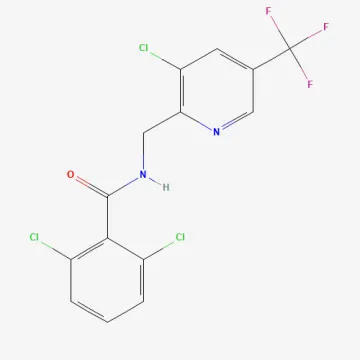
Description
Mode of action
Fluopicolide is a systemic fungicide belonging to the benzamide chemical class. It is recognized for its unique ability to move through plant tissues and provide comprehensive protection against various oomycete pathogens.
The mechanism of action is based on the disruption of the pathogen's cellular structure, specifically targeting the protein spectrin. This leads to the rapid inhibition of zoospore mobility and the prevention of their subsequent germination.
Fluopicolide provides both preventative and curative properties, along with significant anti-sporulant activity. By blocking the formation of new spores, it effectively halts the spread of infection within the crop canopy.
The compound exhibits excellent translaminar movement, which ensures that even the parts of the leaf not directly covered by the spray receive protection. This trait is vital for maintaining coverage during rapid plant growth.
Due to its high affinity for the plant's waxy layer, fluopicolide is highly resistant to wash-off by rain shortly after application, making it a reliable tool in unpredictable weather conditions.
What it targets
The primary target of fluopicolide is a range of oomycete fungi, including those responsible for late blight (Phytophthora infestans) and various types of downy mildew (Peronospora species).
It is widely used on essential agricultural crops such as potatoes, tomatoes, onions, cucumbers, grapes, and various brassica vegetables, where these pathogens pose a severe threat to yield quality.
Fluopicolide is highly effective even at low application rates, offering efficient control without overloading the environment with chemicals. It is a cornerstone product in many professional vegetable protection programs.
By effectively suppressing early infections, the use of this substance ensures that harvested products maintain their marketability and shelf life, reducing post-harvest losses significantly.
Its strategic inclusion in Integrated Pest Management (IPM) programs helps maintain the overall health of the crop and prevents the buildup of dangerous inoculum levels in the soil and foliage.
Rates and timing
Effective management requires applying fluopicolide before the onset of visible infection. Monitoring disease pressure in the local area is critical to determine the exact timing for the first application.
Application rates are determined by the specific crop type, the foliage density, and the expected risk level. Detailed labels provide precise instructions for volume and concentration to ensure maximum biological efficacy.
To minimize the risk of pathogen resistance, fluopicolide should be used in rotation with fungicides that possess different modes of action. Strict adherence to rotation guidelines is mandatory for long-term sustainability.
Pre-harvest intervals (PHI) must be strictly respected to ensure food safety. Farmers are required to follow the legal requirements defined in the regulatory documentation for each specific commodity.
Correct calibration of spraying equipment is essential to ensure thorough coverage of both leaf surfaces, as the systemic properties work best when the chemical is distributed evenly across the plant.
Restrictions
Handling fluopicolide requires the use of appropriate Personal Protective Equipment (PPE) to prevent skin contact, eye irritation, or inhalation of spray mist by the operator.
The substance is known to be toxic to aquatic life; therefore, it is critical to observe mandatory buffer zones near streams, ponds, and groundwater sources to prevent environmental contamination.
All chemical containers should be stored in a cool, dry, and secure location, clearly marked and inaccessible to unauthorized individuals, especially children. Empty containers must be disposed of according to local environmental laws.
Avoid applying the fungicide during high wind speeds to prevent spray drift into non-target areas. Additionally, always conduct a compatibility test before mixing it with fertilizers or other plant protection products.
Strict observance of environmental regulations and label instructions is the best way to utilize fluopicolide safely while maintaining optimal crop productivity and ecological balance.
Content graph
Connections · Fluopicolide
Most often together:
Marketplace