
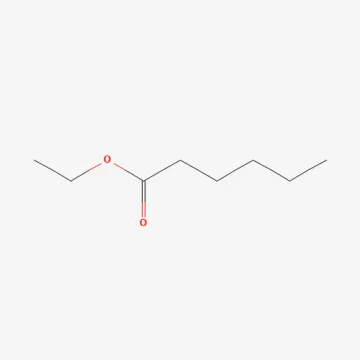
Ethylhexanoate
Description
Mode of action
Ethyl hexanoate is a chemical compound widely recognized in agronomy as a potent attractant used within integrated pest management strategies.
The core mechanism of action involves the release of volatile organic molecules that simulate the chemical cues used by insects for mating and food search.
By mimicking these natural scents, the compound effectively lures specific pests into monitoring traps, allowing agronomists to observe insect pressure.
Unlike traditional chemical insecticides, this substance does not cause direct mortality to crops, ensuring the safety of the treated agroecosystem.
Its deployment creates a localized odor plume that guides target insects toward the collection device, providing precise data for population modeling.
What it targets
This group of attractants is primarily targeted at lepidopteran insects, including various moths that cause significant economic damage to agricultural yields.
Key targets include agricultural pests that affect fruit orchards, vineyards, and field vegetable crops, which are sensitive to caterpillar infestation.
The system is specifically useful for capturing adult insects before they reach the reproductive phase, thereby preventing the laying of eggs on crops.
It is widely applied in commercial monitoring programs to detect the early arrival of migratory pest species from adjacent territories or climatic zones.
By focusing on the adult stage, growers can identify peak activity periods, ensuring that any subsequent intervention is timed with maximum biological effectiveness.
Rates and timing
Application rates and dosage for ethyl hexanoate depend on the specific design of the dispensers and the capacity of the pheromone traps used in the field.
The longevity of the compound in the field is influenced by environmental conditions such as solar radiation, humidity, and average daily wind speeds.
Dispenser replacement intervals are typically set at 4 to 8 weeks to ensure a steady release rate and consistent lure effectiveness throughout the season.
The placement density of traps per hectare is determined by local agronomic protocols to ensure adequate coverage of the monitored agricultural area.
Installation should be initiated according to the phenology of the target pests, often beginning shortly before the historical start of the flight period.
Restrictions
While ethyl hexanoate is considered low-risk, direct handling of concentrated material requires standard personal protective equipment to prevent skin irritation.
The substance should be stored in a cool, well-ventilated area, away from direct sunlight to maintain its chemical stability and release profile over time.
It is crucial to keep the product out of reach of residential or food storage areas due to its intense and distinct ester-based odor profile.
Avoid any cross-contamination with other pesticide formulations, as foreign chemical residues may interfere with the attractant's efficacy.
Disposal of used dispensers must comply with local waste regulations regarding chemical containers to prevent potential environmental impact.
Status in the European Union
Not approved in the EU
- CAS number
- 123-66-0
- Category (EU)
- BA - Bactericide
EU status is for reference only and does not replace national registration in your country.