
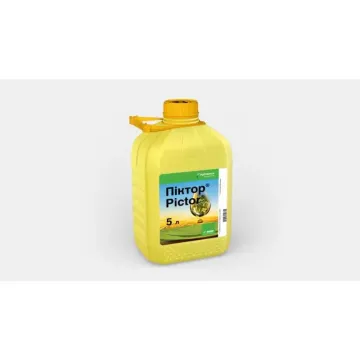
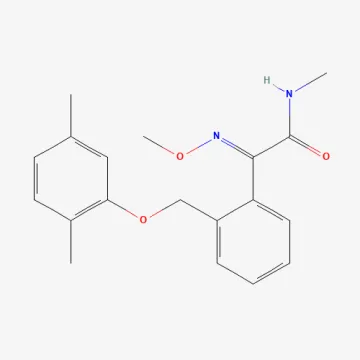
Description
Mode of action
Dimoxystrobin belongs to the strobilurin chemical class. It is a highly effective active ingredient that inhibits mitochondrial respiration in fungal cells by blocking electron transport within the cytochrome complex.
The substance exhibits systemic action with a significant translaminar effect. Once applied to the leaf surface, it quickly penetrates plant tissues and spreads throughout the plant, providing protection even to parts not directly hit by the spray.
A key feature of dimoxystrobin is its ability to redistribute in the gas phase. This allows it to protect not just the treated area, but also adjacent parts of the leaf, which is critical under high disease pressure.
Dimoxystrobin provides both curative and preventative effects. It can stop pathogen development during early infection stages, making it an essential tool in intensive crop protection programs.
In addition to direct fungicidal activity, the substance influences plant physiology by slowing down leaf senescence and improving nitrogen uptake, often referred to as the "greening effect" of the crops.
What it targets
Dimoxystrobin effectively controls a wide range of fungal diseases caused by Ascomycetes, Basidiomycetes, Deuteromycetes, and Oomycetes. Key targets include rusts, septoria, pyrenophora, and helminthosporium leaf spots.
The product shows high biological activity against powdery mildew on various agricultural crops. It effectively blocks spore germination and mycelium development of the pathogen.
It is widely used to combat complex diseases in small grain cereals, including wheat, barley, rye, and oats. Specifically, it suppresses leaf blotches that reduce the photosynthetic surface area.
The substance also shows excellent results in controlling phoma and alternaria in rapeseed crops, helping to preserve pod structure and prevent premature pod shattering caused by pathogens.
- Rust (brown, stem, yellow)
- Septoria leaf and glume blotch
- Pyrenophora leaf spot
- Powdery mildew
- Alternaria blight
Rates and timing
Application rates for dimoxystrobin depend on the specific crop, infection level, and weather conditions. Typically, these vary between 0.2 and 0.5 liters of product per hectare, depending on the active ingredient concentration in the formulation.
The optimal time for application is during the growing season when the first symptoms appear. For maximum efficacy, preventative spraying is recommended before the infection spreads extensively.
The number of applications per season is strictly regulated and usually should not exceed two to prevent the development of pathogen resistance. A proper interval between treatments must be maintained as per the label.
The spray solution must be prepared immediately before use. It is crucial to ensure high-quality coverage of the leaf surface using well-maintained spraying equipment with the correct spray volume, usually 200–300 L/ha.
Application is most effective during morning or evening hours in calm weather with moderate temperatures. This minimizes spray drift and ensures optimal absorption of the substance by the plants.
Restrictions
Dimoxystrobin requires strict adherence to safety protocols. Personnel must use personal protective equipment for respiration, skin, and eyes, as the substance can cause irritation upon direct contact.
Do not apply near water bodies or beehives. The product has toxicity to aquatic organisms, so drift onto non-target areas must be avoided to protect the environment.
There is a risk of pathogen resistance if strobilurins are used repeatedly without alternating the mode of action. It is recommended to rotate dimoxystrobin with fungicides from other chemical classes, such as triazoles or carboxamides.
The product must be stored in its original packaging in a cool, dry place away from direct sunlight and out of reach of unauthorized persons or animals. Do not allow the product to freeze.
Before application, always read the product label carefully, as the presence of additional ingredients like adjuvants or other active substances can modify the specific usage regulations.
Reference
Connections · Dimoxystrobin
Most often together:
Marketplace
Products · 2
