

Grinfort DK 150, RK (diclofop, 150 g/l)
«Нанджин Ессенс Файн-Кемікал Ко. Лтд» (Китай)
Herbicides
0
0
·
44
No offers
—
Details
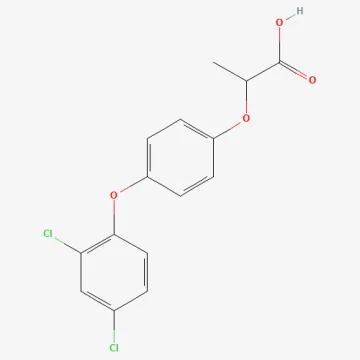
Diclofop-methyl belongs to the aryloxyphenoxypropionate chemical class, functioning as a selective, systemic, post-emergence herbicide.
The mode of action involves the inhibition of the enzyme acetyl-CoA carboxylase, which is vital for the biosynthesis of lipids in grassy weeds.
Once applied, the substance is rapidly absorbed by the leaves and translocated to the growing points of the target plants.
This disruption of lipid synthesis prevents cell division, leading to the gradual chlorosis and necrosis of the sensitive weed tissues.
The selectivity of this herbicide allows it to be used in various broad-leaved crops, as these plants possess mechanisms to metabolize the chemical effectively.
This group of herbicides is specifically targeted at controlling annual grass weeds that compete with crops for nutrients and sunlight.
It is highly effective against major grassy weeds such as wild oats, ryegrass, blackgrass, and barnyard grass.
It does not control broad-leaved weeds, which is why it is frequently utilized in tank mixtures or sequential applications to achieve full field spectrum control.
It is widely applied in agricultural practices for protecting cereals, as well as various broad-leaved crops including sugar beets and oilseeds.
The application rates of diclofop-methyl are determined by the weed growth stage and the density of the infestation in the treated field.
Optimal efficacy is achieved when the weeds are in the early growth stage, typically between the two-leaf and four-leaf development phases.
Proper calibration of spraying equipment is essential to ensure a uniform distribution of the product across the entire field surface.
Application should ideally occur during weather conditions that promote active plant growth to ensure maximum uptake of the active ingredient.
Farmers must follow the manufacturer's specific labeling regarding the dosage per hectare to avoid potential phytotoxicity and maximize the result.
Application should be avoided during periods of environmental stress, such as severe drought or extreme temperatures, which hinder the herbicide's uptake.
The chemical is categorized as moderately toxic, necessitating the use of personal protective equipment (PPE) during handling and mixing processes.
Special care must be taken to prevent drift, especially when neighboring crops are sensitive to the herbicide's active components.
To manage the risk of developing herbicide-resistant weed populations, it is recommended to rotate this product with other herbicides having different modes of action.
Users must adhere to the recommended pre-harvest intervals and local regulatory guidelines for the safe disposal of containers and leftover solutions.
Approved in the EU
EU status is for reference only and does not replace national registration in your country.