

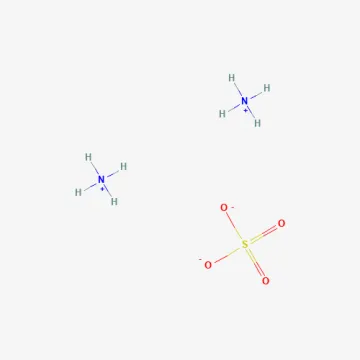
Description
Mode of action
Ammonium sulfate is widely used in agriculture as a critical adjuvant designed to enhance the effectiveness of various herbicides and other crop protection products.
The primary mechanism of action involves water conditioning: the compound effectively binds metal cations such as calcium, magnesium, and iron, which are commonly present in hard water.
By neutralizing these ions, ammonium sulfate prevents the formation of insoluble salts that would otherwise reduce the biological activity of systemic herbicides like glyphosate.
It also acts as an absorption enhancer, modifying the leaf cuticle surface and facilitating the movement of active ingredients into the plant vascular system.
This improves the uptake speed of systemic pesticides, ensuring high performance even in adverse environmental conditions where plants may be stressed.
What it targets
It is primarily applied in tank mixes with systemic herbicides that are sensitive to hard water and dissolved minerals.
It is a standard additive for glyphosate-based formulations, where it effectively restores the herbicidal activity reduced by the presence of hard water.
It is used in large-scale production of corn, soybeans, cereals, and sunflowers to optimize the performance of post-emergence weed control treatments.
It is also employed with sulfonylurea herbicides to buffer the spray solution and ensure the stability of the active ingredient at the desired pH level.
By increasing the efficacy of the applied pesticides, it helps in the robust control of difficult-to-kill grass and broadleaf weed species.
Rates and timing
The application rate for ammonium sulfate is determined by the mineral content of the water used in the spray tank, typically ranging from 0.5% to 2% weight/volume.
A common practice is to use 0.5 to 2 kg of product per 100 liters of water depending on the hardness levels found in regional water sources.
For best results, ammonium sulfate must be added to the spray tank first, allowing sufficient time for complete dissolution before adding the pesticide concentrate.
Failure to ensure complete dissolution can lead to nozzle clogging and uneven distribution of the herbicide across the field.
Application timing is intrinsically linked to the specific growth stages of weeds and the timing of herbicide application as outlined in field management plans.
Restrictions
Care must be taken when applying at high concentrations in hot and dry weather, as excessive penetration of the herbicide can occasionally cause crop phytotoxicity.
Always conduct a jar test before mixing ammonium sulfate with other complex liquid fertilizers or sensitive formulations to prevent incompatibility issues.
Store the product in a dry, well-ventilated area to prevent caking, as the material is highly hygroscopic and absorbs moisture from the atmosphere.
Operators should wear protective equipment including gloves, long-sleeved clothing, and eye protection to avoid skin and respiratory irritation during handling.
Use only on labeled crops and avoid exceeding recommended rates, as unnecessary accumulation of sulfur and nitrogen may influence soil chemistry in the long term.
Regulatory
Status in the European Union
Not approved in the EU
- CAS number
- 7783-20-2
EU legislation
EU status is for reference only and does not replace national registration in your country.
Reference
Connections · Ammonium sulphate
Most often together:
Marketplace