

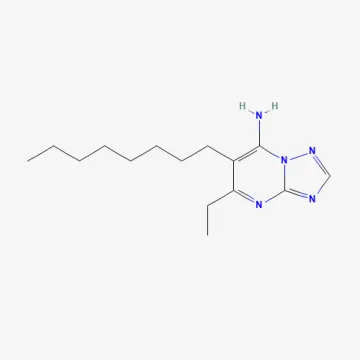
Description
Mode of action
Ametoctradin belongs to the triazolopyrimidylamine chemical class. It is a modern, highly effective active ingredient used primarily as a contact fungicide.
The mode of action involves inhibiting the mitochondrial respiration of the pathogen by blocking the complex III (cytochrome bc1 complex) within the electron transport chain, causing rapid energy depletion.
The substance is capable of suppressing pathogen zoospores, preventing their germination and further spread of infection across the field. Excellent rainfastness ensures long-lasting protection of leaf surfaces.
The product exhibits a strong preventive effect, blocking disease development at early stages. It is notable that the active substance rarely triggers cross-resistance in pathogens.
Incorporating ametoctradin into integrated pest management programs allows for effective control of fungal populations, even those that have developed resistance to other fungicide classes.
What it targets
Ametoctradin is designed to combat a wide range of oomycetes that cause devastating diseases in various agricultural crops.
The primary targets include downy mildew pathogens affecting vegetable crops, such as onions, cucumbers, cabbage, and potatoes.
The compound demonstrates high efficacy against late blight, caused by fungus-like organisms of the Oomycetes class.
The impact on the pathogen is immediate upon contact with zoospores and mycelium, which is critical for preventing epiphytotics during periods of vigorous crop growth.
This fungicide is particularly useful under high disease pressure conditions where rapid intervention is required to stop the spread of infections on vegetables and solanaceous crops.
Rates and timing
Application rates for ametoctradin are determined by manufacturer specifications and depend on the crop growth stage and the severity of disease risk.
Treatments are generally carried out during the active vegetative growth phase with intervals ranging from 7 to 12 days, depending on weather conditions.
To achieve maximum protective efficacy, it is essential to ensure uniform coverage of the working solution on all plant parts, including the undersides of leaves.
Pre-harvest intervals (PHI) are strictly regulated and typically range from 7 to 20 days to ensure the absence of residues in final produce.
It is strongly recommended to rotate ametoctradin with fungicides from different chemical groups to prevent the development of resistance in pathogens.
Restrictions
Operations involving ametoctradin require strict adherence to safety protocols, including the use of personal protective equipment for skin and respiratory protection.
Contamination of water bodies and drinking water sources must be prevented, as the substance may be toxic to aquatic life.
When preparing tank mixes, it is necessary to conduct a compatibility test with other pesticides or micronutrients before full-scale application.
For large-scale operations, regular field monitoring is advised, along with adherence to established anti-resistance strategies.
The product should be stored in dry, cool warehouse facilities, inaccessible to children and animals, and kept away from food and feedstuffs.
Regulatory
Status in the European Union
Approved in the EU
- CAS number
- 865318-97-4
- Approved from
- 01.08.2013
- Approval until
- 31.05.2028
- ADI
- 10.0 mg/kg bw/day
- ARfD
- Not appl.
- AOEL
- 2.0 mg/kg bw/day
EU status is for reference only and does not replace national registration in your country.
Content graph
Connections · Ametoctradin
Most often together:
Marketplace
Products · 3

Orvego
БАСФ Агро БВ, Швейцарія, на заводі , Франція,Італія (Сієна)
Fungicides
0
0
·
44
1 offer
30.3 €per 1 l
Buy
