

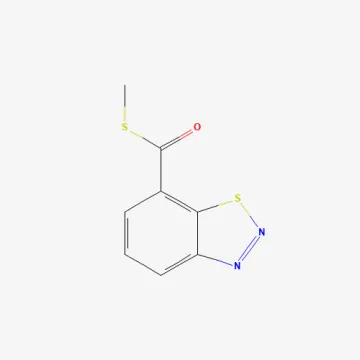
Description
Mode of action
Acibenzolar-S-methyl is a synthetic compound belonging to the benzothiadiazole class. It operates uniquely by not attacking pathogens directly but by priming the plant's natural defense systems.
This substance triggers the process known as Systemic Acquired Resistance (SAR). By mimicking natural signaling molecules, it activates the plant's genomic pathways for stress defense.
Upon application, the plant starts producing pathogenesis-related proteins and enzymes. This prepares the crop to mount an effective defense against various invaders.
The compound is systemically distributed throughout the plant's vascular tissue. This ensures that new leaves and shoots are also protected once the substance is absorbed.
Effectively, it serves as a vaccination for plants, ensuring that the internal defense mechanism is ready before the pathogen strike occurs.
What it targets
This substance is used to protect crops against a variety of fungal, bacterial, and viral diseases. It is particularly effective against downy mildew and powdery mildew.
It plays a critical role in managing bacterial spots and blights on vegetable crops. Crops such as tomatoes, cucumbers, and peppers benefit from enhanced resistance.
It is also employed in tobacco and potato cultivation to prevent decay and wilting caused by sensitive bacterial or fungal strains.
By boosting the plant's health, it reduces the overall pressure of diseases that typically spread under humid conditions. It is a vital tool for integrated pest management.
The targeted protection helps minimize crop failure in regions where disease pressure is consistently high throughout the season.
Rates and timing
Application rates are typically low, ranging from 20 to 50 grams of the active ingredient per hectare. Precise dosing is essential to avoid any physiological stress.
Preventative application is mandatory for success. Treatments should be applied before the onset of visible symptoms to allow the plant time to prepare its defenses.
Using surfactants is highly recommended to improve leaf penetration and coverage. Proper application technology ensures that all plant parts receive the stimulus.
Repeat treatments are generally scheduled at 7 to 14-day intervals. This maintenance is necessary to keep the plant's immune system in a high-alert state.
Careful calibration of equipment is necessary to ensure the recommended amount of product is applied uniformly across the entire field.
Restrictions
Acibenzolar-S-methyl has no curative action on established infections. If a disease has already significantly progressed, this substance will not provide the required control.
Do not apply the product when plants are under extreme stress from heat or lack of water. This could result in stunted growth or reduced yield potential.
Store in a cool, dry environment away from direct sunlight and moisture. Maintaining storage integrity is crucial for keeping the chemical stable over time.
Always conduct a compatibility test when mixing with other pesticides. Some chemical formulations may antagonize the plant-activating properties.
Operators must wear appropriate personal protective equipment during handling. Follow all safety guidelines provided on the specific product label.
Regulatory
Status in the European Union
Not approved in the EU
- CAS number
- 135158-54-2
- ADI
- 0.03 mg/kg bw/day
- ARfD
- 0.03 mg/kg bw
- AOEL
- 0.03 mg/kg bw/day
Hazard classification (CLP)
Aquatic Acute 1 - H400Aquatic Chronic 1 - H410Eye Irrit. 2 - H319STOT SE 3 - H335Skin Irrit. 2 - H315Skin Sens. 1 - H317
EU status is for reference only and does not replace national registration in your country.
Content graph
Connections · Acibenzolar-S-methyl
Most often together:
Marketplace