

TOMATON
ТОВ «ОРТОН (Російська Федерація, Московська обл.
Plant Growth Regulators
0
0
·
61
2 offers
50 €per 1 l
Buy
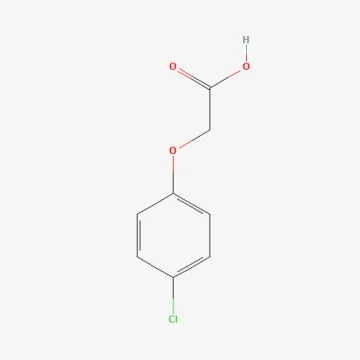
4-Chlorophenoxyacetic acid (4-CPA) is a synthetic auxin that acts as a potent plant growth regulator. In agricultural practice, it is primarily used to influence metabolic processes within plants to improve reproductive development.
The mechanism of action involves mimicking natural plant hormones that regulate cell elongation and division. By applying 4-CPA, growers can effectively stimulate parthenocarpy, enabling the plant to develop fruit in the absence of traditional pollination.
The substance enhances the transport of nutrients towards the ovaries and developing fruits. This process is crucial during unfavorable weather conditions, such as cold or cloudy weather, which often cause flower drop in many crop varieties.
The chemical structure allows for rapid absorption through plant tissues. Once absorbed, it moves systemically through the plant, ensuring that the desired effect is achieved even in distal parts of the treated plant.
Success depends heavily on concentration precision. Because it is a potent hormonal stimulant, growers must calibrate doses carefully to ensure the growth response remains within the intended physiological range.
The primary use of 4-CPA is for Solanaceae crops, including tomatoes, peppers, and eggplants. It is widely utilized in both open field cultivation and greenhouses to ensure consistent fruit set throughout the growing season.
It is specifically targeted at preventing blossom drop caused by environmental stress. By artificially supporting the hormonal balance, the substance maintains the productivity of flowers that would otherwise be shed.
Additionally, it is used to address challenges in greenhouse production where natural pollination mechanisms, such as bumblebees or wind, may be insufficient. It acts as a reliable tool for achieving uniform harvest yields.
In vegetative propagation, it is occasionally employed to stimulate rooting in cuttings. By promoting cell differentiation, it encourages a faster establishment of the root system in difficult-to-propagate varieties.
Growers should consult variety-specific data before application, as different genotypes may exhibit varying sensitivities to synthetic auxin treatments.
Application rates are strictly dependent on the growth stage and the specific crop species. Treatments are usually applied via localized spraying of the flower clusters to avoid unnecessary exposure of the entire plant.
Preparing the working solution requires extreme precision to adhere to manufacturer-provided guidelines. Deviating from these rates can lead to irreversible damage, including fruit deformity or vegetative growth suppression.
Pre-harvest intervals (PHI) must be strictly followed to ensure that no harmful residues remain on the fruit. These intervals are designed based on the degradation rate of the active ingredient under various environmental conditions.
Multiple applications should be spaced out appropriately, typically every 10–14 days, to manage the physiological response without overwhelming the plant's natural hormonal system.
For best results, the treatment should be integrated into a comprehensive nutritional program. Healthy plants with adequate mineral reserves respond more effectively to the hormonal stimulation provided by 4-CPA.
The main limitation of 4-CPA is its potential for phytotoxicity. Excessive dosage leads to stunted growth, leaf curling, and the development of low-quality, deformed fruits that are unsuitable for commercial sale.
Drift protection is essential during application. The substance can cause significant growth disturbances if it lands on non-target vegetation, so precise application methods and calm weather conditions are highly recommended.
Safety storage protocols must be followed. The product should be kept in original, labeled containers in a secure, dark, and dry location, away from food, feed, and access by children or pets.
Operators must wear personal protective equipment during the preparation and application process to avoid direct contact or inhalation of the substance, as it poses health risks.
Finally, environmental regulations regarding the disposal of chemical residues and empty containers must be observed to prevent soil and water contamination.
Not approved in the EU
EU status is for reference only and does not replace national registration in your country.