

Description
Mode of action
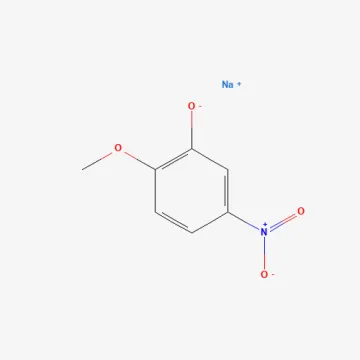
Sodium nitrophenolate is a group of chemical compounds comprising the sodium salts of 5-nitroguaiacolate, o-nitrophenolate, and p-nitrophenolate, functioning as a highly effective plant growth regulator.
The core mechanism involves the activation of cellular metabolism by enhancing the flow of cytoplasm, which leads to increased rates of photosynthesis and nutrient absorption.
This substance acts as a significant antistressant, helping crops adapt quickly to unfavorable environmental conditions such as extreme temperature fluctuations or drought.
By optimizing biochemical processes, it stimulates root system development, accelerates the onset of flowering, and improves the overall vigor of cultivated plants.
Unlike specialized pesticides, these regulators work harmoniously with the plant's natural physiology to maximize biomass production and improve physiological maturity.
What it targets
Sodium nitrophenolate is primarily used for pre-sowing seed treatment to improve germination energy and ensure uniform seedling emergence in the field.
During the vegetative phase, it is applied as a foliar spray to stimulate growth and bolster the plant's natural defense mechanisms against abiotic stress.
It is widely utilized across various agricultural sectors, including cereal crops, corn, soybeans, sunflowers, and horticultural fruit plantations.
The treatment is particularly beneficial for improving fruit set and reducing flower or ovary drop in sensitive fruit-bearing stages.
Farmers also use it to mitigate the phytotoxic effects of herbicides, allowing crops to recover faster after necessary chemical weeding operations.
Rates and timing
Timing of application is critical and should be aligned with specific phenological stages, such as seedling emergence, budding, or the initiation of flowering.
Dosage rates depend on the specific formulation and the type of crop, usually requiring a precise dilution of the concentrated product in water.
When preparing the solution, ensure the water pH is within recommended limits to maintain the stability and bioavailability of the active ingredients.
Foliar spraying should be performed during calm weather conditions, preferably early in the morning or late in the evening to optimize absorption.
The integration of these regulators into standard fertilization and crop protection programs can significantly enhance the Return on Investment (ROI) for crop production.
Restrictions
Standard personal protective equipment, including gloves and goggles, is required during the handling and application of sodium nitrophenolate to avoid skin or eye irritation.
The product must be stored in its original, sealed container in a cool, dry, and well-ventilated area, away from direct sunlight and children.
Compatibility testing is essential before mixing with other agrochemicals, as interaction with strong alkaline agents may deactivate the growth regulator.
Always adhere to local regulatory guidelines regarding the pre-harvest interval (PHI) to ensure the safety and quality of the final harvested produce.
Proper waste disposal of empty containers and leftover solutions must be strictly managed in accordance with environmental regulations to prevent soil and water contamination.
Regulatory
Status in the European Union
Not approved in the EU
- CAS number
- 67233-85-6
EU legislation
EU status is for reference only and does not replace national registration in your country.
Reference
Connections · Nitrophenolate sodium
Most often together:
Marketplace
Products · 3


E3 - Enzobion
Асахі Кемікал Європа с.р.о., Чеська Республіка
Plant Growth Regulators
0
0
No offers
—
Details