
Macrobasis
Macrobasis
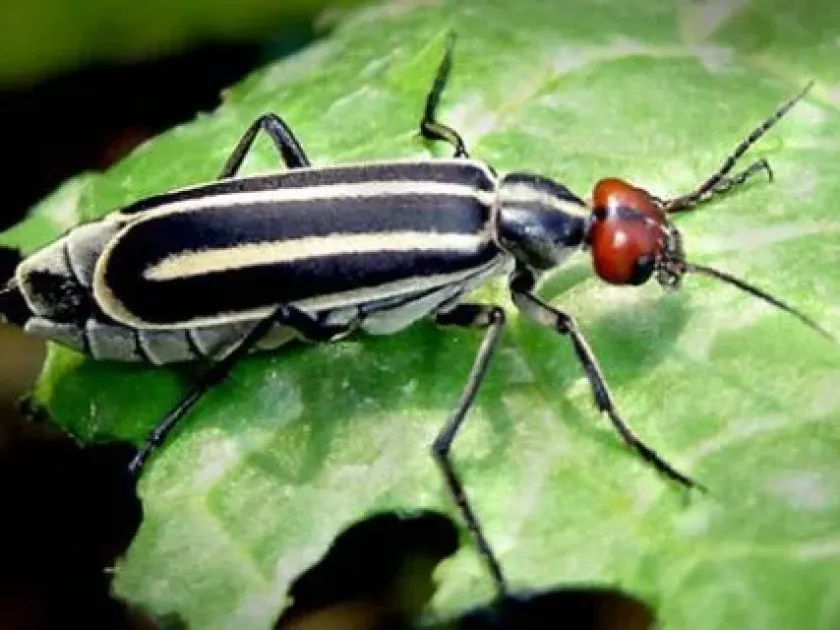
Description
How to identify
Macrobasis is a genus of blister beetles belonging to the family Meloidae within the order Coleoptera, known for their elongated bodies and soft elytra.
Adult beetles are highly active during the day and possess a defensive mechanism that includes secreting cantharidin, a toxic compound that protects them from predators.
The life cycle of these beetles is complex and involves complete metamorphosis, with larvae often living as parasites in bee nests or feeding on grasshopper eggs.
Their morphological identification often requires a detailed examination of the antennae and mouthparts to differentiate them from other related blister beetle species.
Due to their defensive secretions, they are generally avoided by many natural insectivores, which can lead to rapid population growth under favorable environmental conditions.
What it damages
These pests primarily cause damage by feeding on the foliage, blossoms, and stems of various agricultural and ornamental plants.
Solanaceous crops, including potatoes, tomatoes, and eggplants, are particularly susceptible to heavy defoliation caused by feeding swarms of these beetles.
Leguminous crops like soybeans and alfalfa are also frequently attacked, with beetles targeting reproductive structures and flowers, which directly impacts seed set.
Severe infestations can lead to complete stripping of plant leaves, resulting in significant yield losses and stunted growth during the critical development stages.
The reduction in green leaf area impairs the plant's ability to photosynthesize, leaving it vulnerable to environmental stress and opportunistic pathogens.
Signs of infestation
The most visible sign of infestation is skeletonized leaves, where only the veins remain, or entirely consumed foliage patches within the field.
Observing groups of beetles gathering on the tops of plant stems or feeding in clusters on flowers is a clear indicator of their presence.
The accumulation of dark fecal pellets on the leaf surface provides evidence of intense feeding activity that necessitates immediate management interventions.
Wilting or premature drying of flower buds suggests that beetles have been feeding on the reproductive organs, reducing the overall fruit-bearing potential.
Early warning signs include the rapid appearance of bare patches at the edges of fields as populations migrate from nearby wild vegetation into crops.
Control measures
Effective management involves the strategic application of insecticides, such as pyrethroids or organophosphates, once thresholds for economic damage are met.
Cultural practices, including clean cultivation and weed management around field margins, help eliminate alternative host plants and reduce beetle habitats.
Deep fall tillage is recommended to disrupt the soil-dwelling stages of the beetle, thereby reducing the number of adults that emerge in the following season.
In small-scale gardening, manual collection of beetles can be effective, provided that protective gear is worn to avoid contact with their blistering secretions.
Implementing crop rotation and maintaining good field sanitation helps prevent the buildup of local populations that can devastate crops during peak growth months.
Taxonomy
- Latin name
- Macrobasis
- Order
- Coleoptera (beetles)
- Family
- Meloidae
- EPPO code
- MACBSP
Discussion
No discussions yet — be the first.