
Epicauta temexa
Epicauta temexa
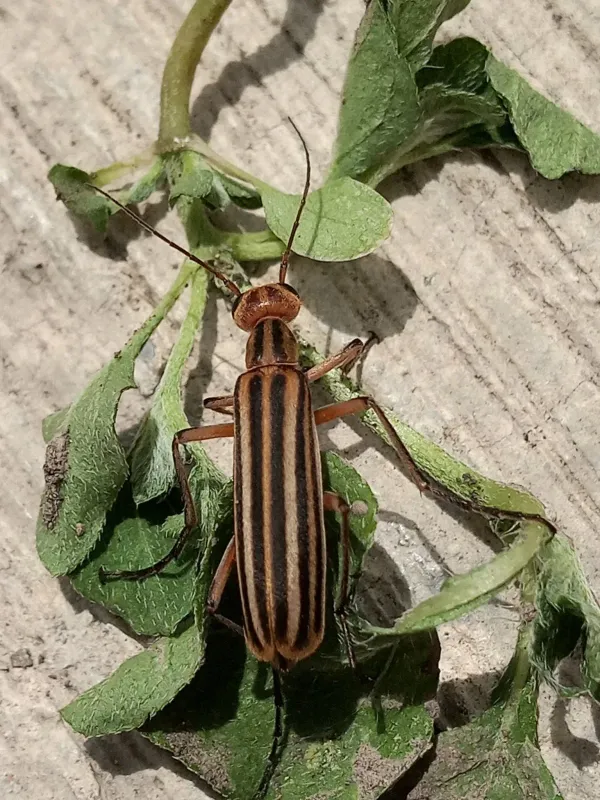
Description
How to identify
Epicauta temexa is a species of blister beetle belonging to the Meloidae family within the Coleoptera order. These beetles are known for their distinct physiological ability to secrete cantharidin, a toxic defensive substance used to deter predators.
Adult beetles possess a soft, elongated body covered by flexible elytra, which is typical for the Epicauta genus. Their heads are usually quite large, equipped with robust, chewing mouthparts designed for efficient feeding on foliage.
The life cycle of this beetle is characterized by hypermetamorphosis, a complex development process where the larvae undergo significant physical changes between instars. This complexity allows them to adapt to diverse ecological niches.
Identification can be challenging due to their cryptic coloration, which helps them blend into their natural environment. However, once a colony is established, their presence becomes evident through the systematic consumption of vegetation.
Caution must be exercised during field inspection, as direct contact with the beetle's hemolymph can cause skin irritation or chemical burns due to its toxic nature.
What it damages
Epicauta temexa is known for its voracious appetite for various agricultural crops. The adults are the primary life stage causing damage, as they feed extensively on the green vegetative parts of the plants.
Solanaceous crops, including potatoes and tomatoes, are among the most frequently targeted hosts. Furthermore, they have been documented damaging legumes, posing a significant risk to soy and alfalfa production.
The damage is characterized by heavy defoliation and skeletonization of the leaves, where only the tough veins remain. This destruction of the leaf surface significantly limits the plant's photosynthetic capacity.
In cases of high population density, these beetles can severely weaken plants, leaving them susceptible to secondary pathogens and reducing overall vitality. This leads to substantial yield losses in commercial farming.
Timely intervention is crucial, as the pest can clear entire sections of a field within a very short timeframe if left uncontrolled during the peak of their activity.
When it appears
The emergence of adult beetles typically occurs during the mid-to-late summer, coinciding with the active growth phases of primary crops. Favorable weather conditions, such as warm and dry summers, often trigger mass emergence.
The beetle's developmental dynamics are closely linked to soil moisture levels, as the larval stages develop within the soil profile. Variations in local climate conditions dictate the yearly fluctuations in beetle numbers.
Activity is usually most intense during the early morning and late afternoon hours. During these times, beetles often gather in clusters on the tops of plants, making them easier to spot for field scouting.
Field managers should pay close attention to environmental cues, as rapid changes in temperature and humidity can influence the speed of the beetle's reproductive cycles.
Monitoring efforts should be intensified during the flowering stage of crops, as the loss of foliage at this critical time can have a direct negative impact on the development of fruit and tubers.
Signs of infestation
The primary sign of infestation is the presence of irregularly shaped holes or skeletalized leaves. The beetles prefer to aggregate, meaning damage is often localized in patches before spreading throughout the field.
- Visual sighting of elongated, clustered beetles on host plants.
- Presence of frass or waste material on the foliage of damaged plants.
- Reduced plant growth and visible wilting when severe leaf loss occurs.
- A distinct pattern of canopy destruction, starting from the upper leaves and moving downwards.
Scouting protocols should involve shaking plant stems or performing visual sweeps to estimate the number of beetles present per square meter, providing data for control decisions.
Control measures
Management of Epicauta temexa requires an integrated approach. Cultural practices, such as crop rotation, are essential to break the life cycle by preventing a steady food source and disturbing the soil where larvae overwinter.
Deep autumn tillage is a highly recommended practice, as it exposes the pupae to unfavorable environmental conditions and natural predators, effectively reducing the overwintering population.
Chemical control via insecticides is effective when population density exceeds the economic threshold. It is critical to use systemic products that provide long-lasting protection against chewing insects.
To prevent the development of insecticide resistance, it is advised to rotate between different chemical classes and follow all label instructions regarding application rates and frequency.
Biological control alternatives, including the use of entomopathogenic fungi or protecting natural insect predators, can be integrated into the crop management program to reduce dependence on synthetic chemicals.
Taxonomy
- Latin name
- Epicauta temexa
- Order
- Coleoptera (beetles)
- Family
- Meloidae
- EPPO code
- EPIATM
Discussion
No discussions yet — be the first.