
Epicauta albicincta
Epicauta albicincta
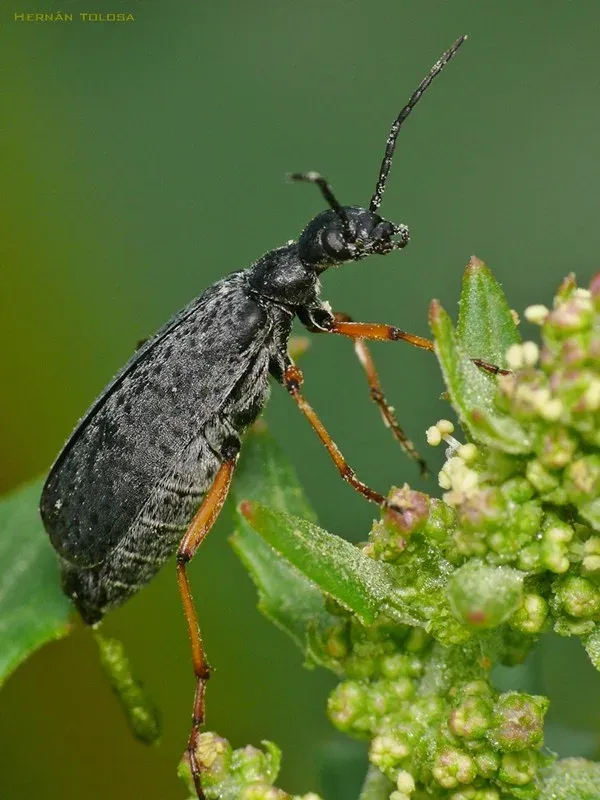
Description
How to identify
Epicauta albicincta is a member of the Meloidae family, commonly known as blister beetles. These beetles are characterized by their elongated bodies and specific markings, including a distinctive light-colored band across the elytra.
The beetle derives its common name from the presence of cantharidin, a toxic compound in its hemolymph that can cause skin blisters upon contact with humans or predators.
Adult beetles have filiform antennae and are highly active during the day, which makes them visible during field scouting and crop monitoring processes.
The life cycle involves hypermetamorphosis, where larvae go through several developmental stages. The first instar, known as a triungulin, is highly mobile and specialized for finding food or hosts.
Identification in the field is relatively straightforward due to their unique color pattern and tendency to aggregate on the foliage of host plants during peak feeding hours.
What it damages
These beetles are recognized as significant pests for a variety of leguminous crops, including soybeans, alfalfa, and chickpeas, among other cultivated plants.
Adult beetles feed voraciously on the foliage, skeletonizing leaves by consuming the soft tissue between veins, which leaves only the fibrous structure remaining.
Besides defoliation, the pest frequently targets floral parts and developing pods, which directly correlates with reduced seed production and overall yield loss.
Large aggregations of these beetles can cause severe damage in a very short time, transforming a healthy crop field into a stripped and damaged area within days.
Heavy defoliation reduces the photosynthetic capacity of the plants, weakening them and making them more susceptible to environmental stress and other plant diseases.
When it appears
The activity of Epicauta albicincta is heavily influenced by seasonal temperature patterns, typically peaking during the hot summer months when weather conditions are optimal.
Adults emerge and become active as the host crops reach stages such as flowering or pod formation, making these periods critical for surveillance and potential intervention.
The life cycle is closely synchronized with the growing season of crops, allowing the pest to exploit abundant food resources during their most active developmental phases.
As temperatures begin to drop in late summer and early autumn, the activity of the adults decreases as they prepare for the overwintering stage, often buried deep in the soil.
Monitoring should be focused on the peak vegetative phase of the crop, as this is when the beetles are most likely to cause irreversible economic damage.
Signs of infestation
The primary sign of infestation is the presence of adult beetles clustered on the top leaves and flowers of the plants, especially during the early or late parts of the day.
Characteristic skeletonization of foliage is a definitive sign of feeding. When walking through a field, you can easily identify patches where the foliage is being actively consumed.
A noticeable decrease in the number of blossoms and the presence of frass (insect excrement) on the plant surface are clear indicators of a heavy pest population.
The aggregation behavior of the beetles means that damage is often patchy but extremely intense within those specific areas of the crop field.
Checking the field margins is essential, as the pest often enters the crop area from adjacent weed-infested borders or natural habitats.
Control measures
Managing Epicauta albicincta requires an integrated approach that combines cultural practices with chemical interventions to maintain population levels below economic thresholds.
Cultural control practices, such as autumn plowing, are highly effective as they disrupt the soil-dwelling stages of the beetle and reduce the overwintering population.
Weed management around the fields is crucial to minimize the beetle's ability to thrive on alternative hosts before they move into the primary crop.
Chemical control is the most direct method when pest pressure is high; insecticides should be applied as soon as the economic threshold is reached.
- Utilize insecticides with a history of effectiveness against Meloidae species, such as synthetic pyrethroids.
- Always follow application rates and safety intervals to ensure crop safety and user protection.
- Avoid spraying during peak pollinator activity to mitigate collateral damage to beneficial insects.
Taxonomy
- Latin name
- Epicauta albicincta
- Order
- Coleoptera (beetles)
- Family
- Meloidae
- EPPO code
- EPIAAL
Discussion
No discussions yet — be the first.