
Epicauta abadona
Epicauta abadona
Description
How to identify
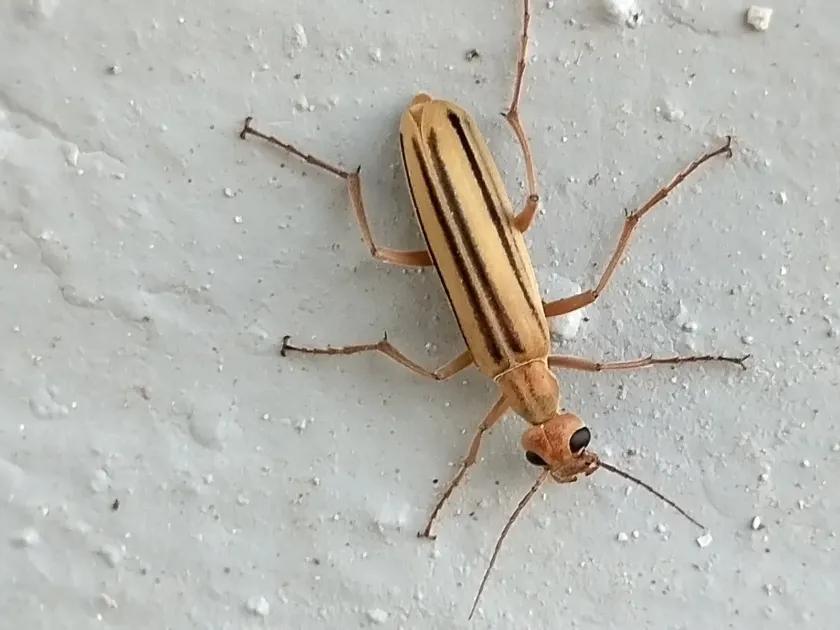
Epicauta abadona is a species of beetle belonging to the family Meloidae, order Coleoptera. These beetles are characterized by their elongated bodies and soft, flexible elytra, which are common traits for many members of this family.
The appearance of these insects often features warning coloration, which signals to predators that their hemolymph is toxic. Their bodies contain cantharidin, a potent chemical compound that causes severe skin irritation and blistering upon contact.
The development of these insects involves hypermetamorphosis, a distinct biological trait of the Meloidae family. The larval stages vary significantly in morphology and behavior throughout their lifecycle.
The biology of Epicauta abadona is closely linked to specific regional ecosystems, where mass population outbreaks can occur under favorable climate conditions. The adults are diurnal and lead an active life on the host plants during the day.
It is crucial to note that all species within the Epicauta genus pose a significant threat to livestock if they are accidentally ingested with hay or silage, as the toxins remain potent even after the beetles have dried.
What it damages
The primary damage is caused by adult beetles, which feed on the foliage of a wide range of agricultural crops. Plants in the Solanaceae, Fabaceae, and Amaranthaceae families are particularly susceptible to infestation.
Affected crops include potatoes, tomatoes, eggplants, soybeans, and alfalfa. The beetles intensely consume leaf tissue, which drastically reduces the photosynthetic capacity of the plants.
In cases of high population density, beetles can completely skeletonize the leaves, leaving only the primary veins. This causes severe physiological stress to the crop and results in significant yield loss.
Unlike the adults, the larvae of this species are often predatory, feeding on grasshopper eggs in the soil, which can be considered beneficial. However, the economic impact of the adults in agricultural settings usually necessitates active intervention.
Significant economic damage is recorded during years of high beetle density, where the extent of crop damage across fields requires immediate implementation of control strategies.
Signs of infestation
The first sign of Epicauta abadona infestation is the presence of eaten foliage, starting at the top of the plants. The beetles often congregate on young shoots and move downward as they feed.
Visual detection of these beetles in fields is relatively easy due to their daytime activity and noticeable size. They are commonly found in groups on the underside of leaves or on plant stems.
Another indicator is the stunted growth and reduced vigor of the crop resulting from the loss of leaf surface. In damaged areas, the leaf tissue dries out rapidly and turns brown.
Morning inspections of the field may reveal weakened plants surrounded by beetle activity. When the stems are disturbed, the beetles often drop to the ground, which facilitates monitoring of their numbers.
The release of a specific, unpleasant defensive odor by the beetles can also serve as a warning sign of their presence in high densities on the field.
Control measures
To control blister beetles, it is recommended to apply contact and systemic insecticides that are registered for use on the specific crops being protected.
Agronomic practices include deep fall plowing, which disrupts the larval development sites in the soil, effectively reducing the overwintering population for the next season.
Controlling weed growth is an essential preventive measure, as many species of blister beetles utilize wild plants as a primary food source before migrating into cultivated fields.
- Implementing crop rotation to break the pest's lifecycle.
- Manual collection of beetles in small-scale vegetable gardens.
- Application of biological control agents based on entomopathogenic fungi.
Chemical control must be executed in strict accordance with regulations, ensuring appropriate pre-harvest intervals to maintain product safety and prevent toxic residue accumulation.
Taxonomy
- Latin name
- Epicauta abadona
- Order
- Coleoptera (beetles)
- Family
- Meloidae
- EPPO code
- EPIAAB
Discussion
No discussions yet — be the first.