
Prosternon
Prosternon
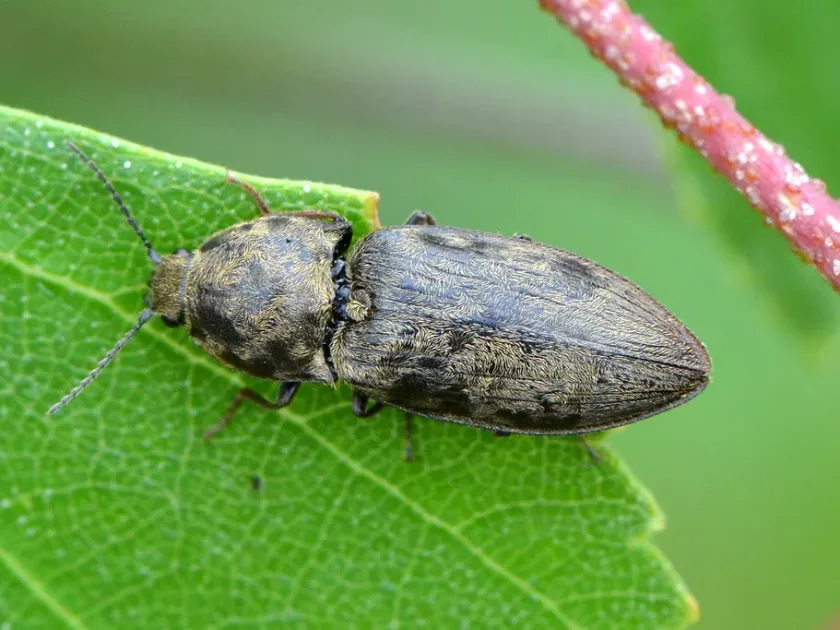
Description
How to identify
The genus Prosternon belongs to the family Elateridae, commonly known as click beetles. These beetles are characterized by their elongated, flattened bodies and the unique ability to snap their thorax to flip themselves upright.
Adult beetles are typically dark or metallic in appearance. They are frequently found near field margins, grassy areas, or within soil crevices where they seek shelter during the day.
The larval stage, referred to as the wireworm, is the most significant pest phase. These larvae have a distinct yellow to brown, cylindrical body with a tough, sclerotized cuticle that provides high resistance.
Life cycle development involves complete metamorphosis, encompassing egg, larval, pupal, and adult stages. The duration of the larval stage in the soil can span several years depending on environmental conditions.
Accurate identification of Prosternon species requires detailed examination of adult antennal and pronotal features, distinguishing them from other common wireworm genera found in agricultural landscapes.
What it damages
Wireworms cause extensive damage by feeding on seeds, roots, and underground stems of various crops. They are indiscriminate feeders, making them a major challenge for broad-acre agriculture.
Major crops affected include small grains such as wheat, barley, and oats, as well as row crops like corn. Root vegetables, including potatoes, are particularly vulnerable to direct feeding injury.
Severe infestations can lead to total crop failure during the germination stage, resulting in sparse, uneven stands that require costly reseeding operations.
Feeding wounds create entry points for soil-borne pathogens, such as fungi and bacteria, which cause further decay and death of the plant tissue, significantly reducing harvest yields.
The presence of wireworms in the field often leads to long-term issues, as these pests persist in the soil for years and readily move between weeds and crop roots.
When it appears
Adult click beetles typically emerge in late spring and early summer. During this period, they engage in mating and oviposition, preferring moist soils with organic matter for egg deposition.
Larval activity is highly dependent on soil moisture and temperature. In dry or cold conditions, larvae migrate deeper into the soil profile to avoid environmental stress.
The peak damaging period for crops occurs in spring, when larvae move to the upper soil layers in response to rising temperatures to feed on emerging seedlings.
Because the life cycle spans several years, different larval age cohorts can be present in the field simultaneously, leading to persistent pressure on agricultural production.
Monitoring the seasonal migration of larvae is essential for timing tillage or chemical treatments effectively, as larvae are most vulnerable when near the soil surface.
Signs of infestation
The first indicator of wireworm damage is often the appearance of patches of stunted, wilting, or missing plants within a field, often resembling "dead zones" in the crop stand.
Inspecting the root zone will reveal chewed seeds or roots. In tubers and root crops, external feeding signs appear as small, deep, circular boreholes that penetrate deep into the flesh.
Field diagnosis can be confirmed by baiting traps. Burying small amounts of grain or potato pieces and checking them after several days effectively traps larvae for identification.
Reduced crop vigor without signs of leaf-borne disease is a strong indicator of underground pest activity, necessitating a check of the root system for wireworm presence.
The presence of adult beetles flying in the field during spring months suggests a potential future infestation, as these adults will lay eggs that hatch into the next generation of wireworms.
Control measures
Cultural control is the cornerstone of wireworm management. Rotating crops to include non-host species can help starve larvae or disrupt their established habitat.
Tillage operations, particularly in late summer or autumn, can expose larvae to desiccation and natural predators like birds, significantly reducing the local population.
Maintaining soil fertility and managing soil pH through liming can make the environment less hospitable for certain species of wireworms.
- Application of insecticidal seed treatments to protect germinating seeds.
- Use of soil-applied granular insecticides in the furrow during planting.
- Aggressive weed control to remove alternative host plants that support wireworm survival.
Integrated Pest Management (IPM) strategies, which combine cultural practices, biological monitoring, and judicious chemical use, are the most effective way to maintain crop health and yield.
Taxonomy
- Latin name
- Prosternon
- Order
- Coleoptera (beetles)
- Family
- Elateridae
- EPPO code
- PRTNSP
Discussion
No discussions yet — be the first.