
Pleonomus canaliculatus
Pleonomus canaliculatus
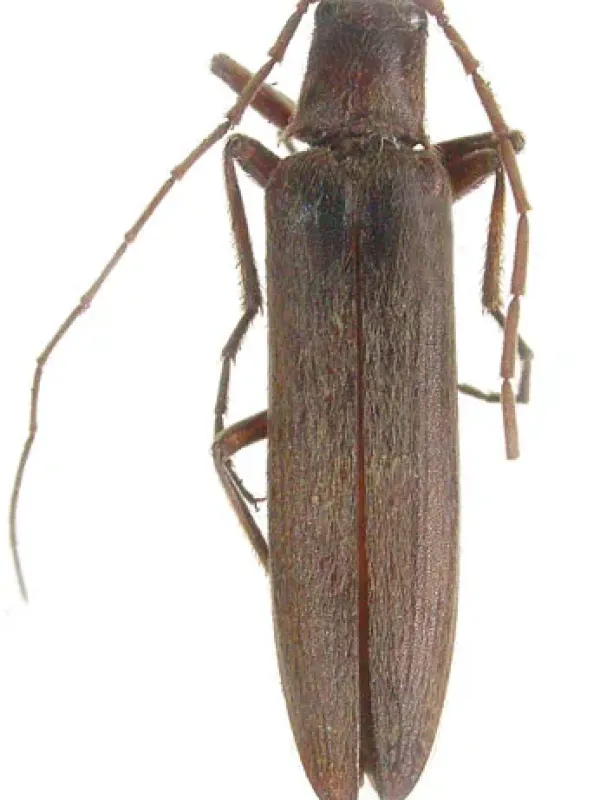
Description
How to identify
Pleonomus canaliculatus is a species of click beetle belonging to the family Elateridae. The adult beetle typically measures 10–13 mm in length, featuring a dark brown or black elongated body with a characteristic metallic sheen.
The larvae, widely known as wireworms, are the primary damaging stage of this pest. They possess a hard, yellowish-brown chitinous exoskeleton, a cylindrical shape, and can reach lengths of up to 25 mm.
A key diagnostic feature of the adult is a distinct longitudinal groove on the pronotum, which serves as a definitive identifier for the species within its taxonomic group.
The life cycle of this beetle is relatively long, often spanning 3 to 4 years from the egg stage to the emergence of the adult beetle. This extended duration complicates long-term population management.
Larvae exhibit significant vertical mobility, moving deep into the soil profile during unfavorable conditions such as extreme heat or dryness, and migrating upwards when soil conditions improve.
What it damages
This species is a polyphagous pest, meaning it feeds on a wide range of agricultural crops. Small grains like wheat and barley are among the most frequently attacked, particularly during the germination stage.
Corn is another major crop susceptible to wireworm damage. Larvae often consume the seed embryo before emergence, leading to significant gaps in plant density and poor crop establishment.
Technical crops, including sugar beets, sunflowers, and potatoes, are also highly vulnerable. The larvae tunnel into roots and tubers, severely weakening the plant structure.
Beyond direct physical damage, the tunnels created by wireworms serve as entry points for various soil-borne pathogens, including bacteria and fungi, which cause rot and plant death.
Economic damage is often severe, as even moderate infestations can lead to substantial yield losses if not managed during the critical early growth phases of the crop.
When it appears
Adult beetle activity typically begins in the spring, once soil temperatures reach approximately 10–12°C. This coincides with the start of the primary sowing season in many regions.
Females lay eggs in the topsoil, preferring areas with high moisture content and accumulated organic matter. Larval activity is most intense during the moist periods of spring and autumn.
During the peak of summer, when the upper soil layers dry out, wireworms retreat into deeper strata to avoid desiccation, which typically results in reduced surface damage.
The overwintering process occurs in the soil, with both larvae of various instars and adults burrowing deep enough to survive typical winter frost levels without injury.
Continuous monitoring is recommended, as the long developmental cycle means that infestations often persist in fields over multiple consecutive years if left unmanaged.
Signs of infestation
The most noticeable sign of an infestation is uneven plant emergence or the sudden wilting and death of young seedlings in patches across the field.
Excavating the soil around the base of affected plants often reveals the larvae, which are typically found feeding on the root system or near the seed remnants.
Seeds retrieved from bare spots in the field frequently show characteristic bite marks, ragged edges, or hollowed-out interiors, indicating wireworm presence.
- Patchy crop stands with dead or stunted seedlings.
- Wilting of young plants in the absence of drought stress.
- Visible damage to roots, stems, or tubers in the form of deep tunnels.
Bait traps, such as buried starch-rich vegetables or grain, are standard practice for assessing wireworm population density before taking corrective measures.
Control measures
Integrated Pest Management (IPM) for this species begins with crop rotation, shifting away from susceptible host plants to reduce the larval food supply.
Effective soil management, such as deep fall tillage, helps expose larvae to predators like birds and environmental stressors, thereby reducing the population density in the soil.
Chemical control via insecticidal seed treatments is widely considered the most effective defense for protecting crops during the critical germination phase.
For high-pressure infestations, soil-applied insecticides during the planting process provide an essential barrier that prevents larvae from reaching the developing plant tissue.
Controlling weeds, particularly perennial grasses like couch grass (Elymus repens), is vital, as these provide a habitat and secondary food source for wireworms within the fields.
Taxonomy
- Latin name
- Pleonomus canaliculatus
- Order
- Coleoptera (beetles)
- Family
- Elateridae
- EPPO code
- PLNOCA
Discussion
No discussions yet — be the first.